In brief
Cinnamon has long been valued not just as a spice but as a natural remedy in traditional medicine. From adding flavor to desserts and teas to being part of Ayurvedic healing, this warming spice has earned a reputation for boosting metabolism and…
Cinnamon has long been valued not just as a spice but as a natural remedy in traditional medicine. From adding flavor to desserts and teas to being part of Ayurvedic healing, this warming spice has earned a reputation for boosting metabolism and controlling blood sugar. But one claim that has caught attention in the wellness world is whether cinnamon can actually help burn fat while you sleep. Let’s explore the science, myths, and practical ways to use cinnamon for weight management.
Table of Contents
The Science Behind Cinnamon and Fat Burning
Cinnamon contains active compounds like cinnamaldehyde and polyphenols, which play a role in how the body processes sugar and fat. Research shows that cinnamon:
-
Improves Insulin Sensitivity: By making cells more responsive to insulin, cinnamon helps regulate blood sugar. Stable blood sugar prevents fat storage and nighttime cravings.
-
Boosts Metabolism: The warming effect of cinnamaldehyde may increase thermogenesis, the process of burning calories to produce heat.
-
Controls Appetite: Cinnamon slows digestion, keeping you full for longer and reducing overeating.
While these mechanisms support weight management, the idea that cinnamon directly burns fat as you sleep is more of an exaggeration. Instead, it indirectly supports fat loss by stabilizing blood sugar and metabolism.
How Cinnamon Supports Better Sleep and Weight Loss
Quality sleep is essential for healthy weight management, and cinnamon may contribute in several ways:
-
Balances Nighttime Blood Sugar: Prevents spikes and crashes that can disrupt sleep.
-
Reduces Cravings: A stable appetite means fewer midnight snack urges.
-
Promotes Relaxation: Cinnamon tea with honey or warm milk creates a calming effect that can help you sleep better.
-
Supports Hormonal Balance: Poor sleep affects hormones like ghrelin and leptin (hunger hormones). By improving sleep, cinnamon indirectly helps regulate them.
Best Ways to Use Cinnamon Before Bed
-
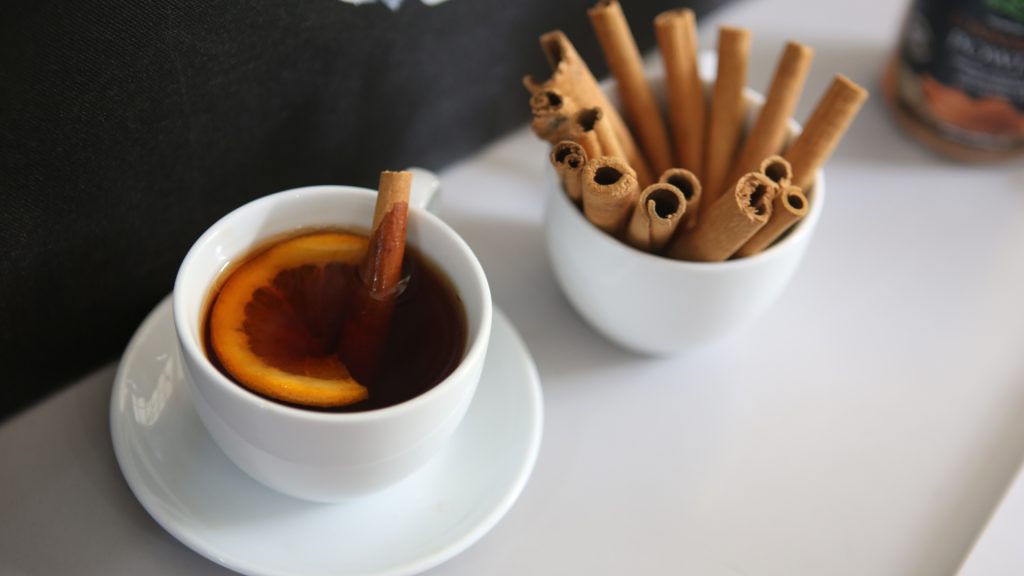
Cinnamon Tea: Boil ½ teaspoon of cinnamon powder or a stick in water, add a little honey, and sip before bed.
-
Cinnamon Milk: Warm milk with cinnamon and a pinch of turmeric or nutmeg for a calming night drink.
-
Cinnamon and Honey Mix: Blend cinnamon powder with raw honey and warm water for a soothing bedtime tonic.
-
Sprinkle in Herbal Teas: Add cinnamon to chamomile or green tea for added benefits.
Precautions You Should Know
-
Stick to Ceylon Cinnamon (“true cinnamon”) instead of Cassia cinnamon, as the latter contains higher levels of coumarin, which may harm the liver in excess.
-
Do not exceed ½–1 teaspoon per day.
-
Pregnant or breastfeeding women and people with medical conditions should consult a doctor before regular use.
Cinnamon alone isn’t a magic fat-burning pill that melts away pounds overnight. However, when combined with a healthy diet, regular exercise, and good sleep, cinnamon can support better metabolism, appetite control, and restful sleep—all of which play crucial roles in sustainable fat loss.
So, while it may not literally burn fat as you sleep, adding cinnamon to your bedtime routine can definitely give your weight-loss journey a natural and flavorful boost.

Make this guide useful
How to put Can Cinnamon Really Burn Fat While You Sleep? into practice
Use this article as a focused starting point for exploring Cinnamon. Read the ideas in the context of your own routine, priorities and available resources; the most useful change is usually the one you can return to consistently.
Start with one clear intention
Before trying everything at once, decide what you want this guide to help with. Write down one small, realistic action connected to “Can Cinnamon Really Burn Fat While You Sleep?”, choose when you will try it, and notice what makes it easier or harder to continue.
Use a simple check-in
Give yourself enough time to observe rather than judge. A short note about what you tried, how it fitted into your day and what you would adjust next time can turn general advice into a routine that feels personal and sustainable.
Questions to take with you
- Which part of Cinnamon feels most relevant to my current routine?
- What is the smallest version of this idea I could try this week?
- What would help me keep the change practical, enjoyable and consistent?
Wellness information is for general education and is not a substitute for personalised medical advice. If you have symptoms, a diagnosis, take medication, are pregnant or have a health concern, speak with a qualified healthcare professional before making significant changes.
Further reading