Hormones are the body's chemical messengers that regulate nearly every essential function, including metabolism, mood, sleep, energy levels, reproductive health, and appetite. When hormone levels are disrupted, you may experience fatigue, weight gain, mood swings, poor sleep, acne, or irregular menstrual cycles.
The good news is that many lifestyle habits can support healthy hormone function naturally. While some hormone disorders require medical treatment, healthy daily choices can help maintain hormonal health and overall well-being. Research highlights the importance of balanced nutrition, regular physical activity, quality sleep, and stress management in supporting hormone regulation.
Table of Contents
What Causes Hormonal Imbalance?
Hormonal changes can occur for many reasons, including:
- Chronic stress
- Poor sleep quality
- Unhealthy diet
- Lack of physical activity
- Obesity
- Aging
- Pregnancy and menopause
- Thyroid disorders
- Polycystic Ovary Syndrome (PCOS)
- Diabetes
Persistent symptoms should always be evaluated by a healthcare professional because hormone-related conditions often require proper diagnosis and treatment.
Signs Your Hormones May Be Out of Balance
Common symptoms include:
- Constant fatigue
- Weight gain or difficulty losing weight
- Mood swings or anxiety
- Brain fog
- Poor sleep
- Hair thinning
- Acne
- Low libido
- Irregular menstrual cycles
- Increased sugar cravings
These symptoms can also have causes unrelated to hormones, so medical evaluation is important if they are persistent or severe.
10 Natural Ways to Balance Hormones
1. Eat More Protein
Protein provides amino acids that your body uses to produce important hormones. Including high-quality protein with each meal can help regulate appetite and support metabolic health.
Good protein sources include:
- Eggs
- Fish
- Chicken
- Lentils
- Greek yogurt
- Tofu
Research suggests consuming adequate protein may also improve hormones involved in hunger and fullness.
2. Exercise Regularly
Physical activity improves insulin sensitivity, supports metabolism, and helps regulate stress hormones.
Aim for:
- 150 minutes of moderate exercise weekly
- Strength training 2–3 times per week
- Daily walking
Exercise benefits hormone function even without major weight loss.
3. Prioritize Quality Sleep
Sleep is one of the most powerful natural hormone regulators.
Adults should aim for:
- 7–9 hours of sleep nightly
- Consistent bedtime
- Limited screen time before bed
Poor sleep affects cortisol, insulin, leptin, ghrelin, and growth hormone production.
4. Reduce Chronic Stress
Long-term stress raises cortisol levels, which can affect metabolism, appetite, and other hormone systems.
Healthy stress-management strategies include:
- Meditation
- Deep breathing
- Yoga
- Journaling
- Time outdoors
Even a few minutes of relaxation each day can help reduce stress.
5. Eat Healthy Fats
Healthy fats provide building blocks for hormone production.
Include:
- Avocados
- Olive oil
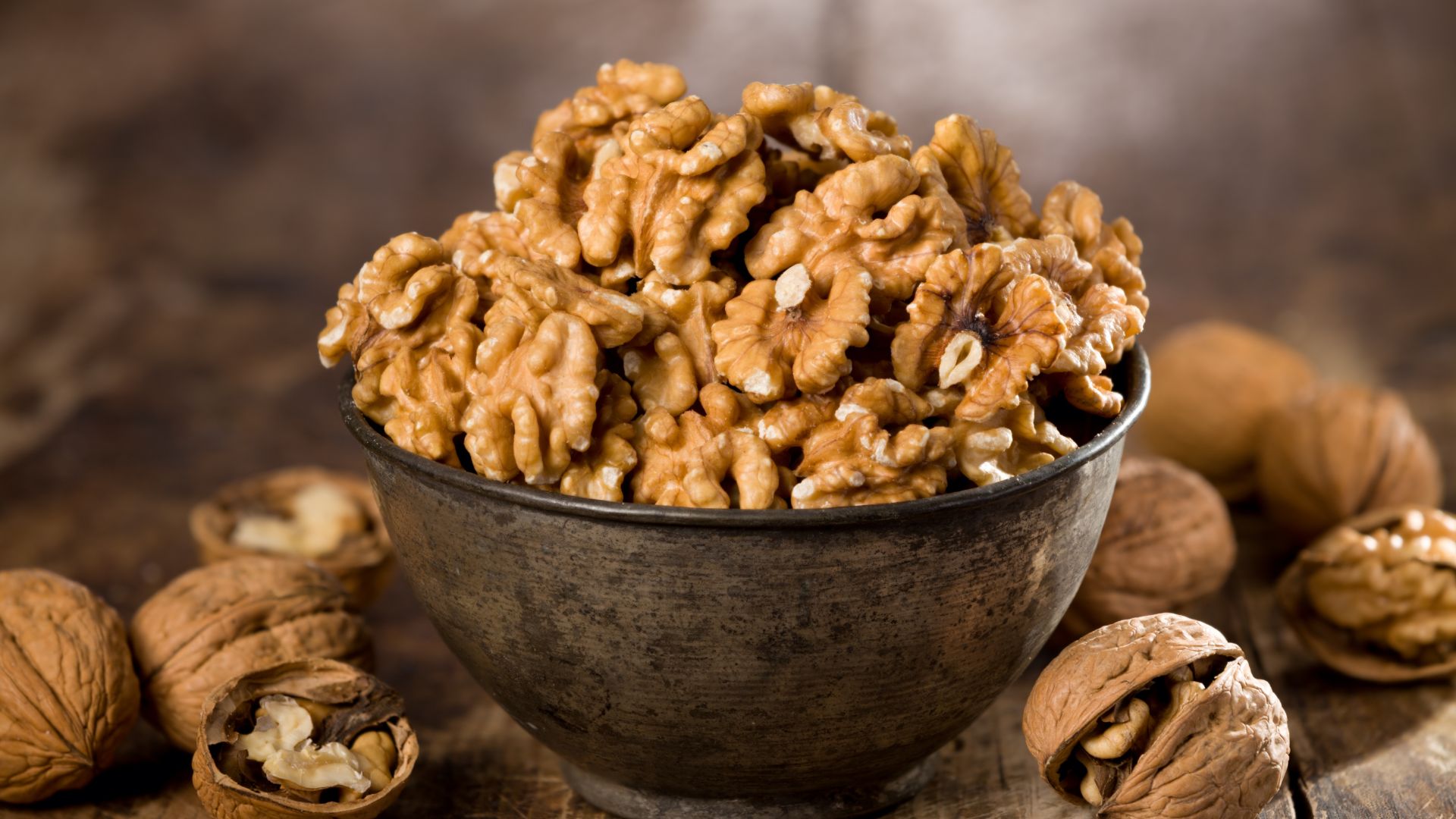
- Nuts
- Seeds
- Fatty fish
Omega-3 fats may also support insulin sensitivity and help regulate stress responses.
6. Increase Fiber Intake
Fiber supports digestive health and may improve insulin sensitivity while promoting hormones involved in fullness.
Choose foods like:
- Oats
- Beans
- Vegetables
- Fruits
- Whole grains
High-fiber diets are consistently linked with better metabolic health.
7. Limit Added Sugar
Frequent consumption of sugary drinks and processed foods can contribute to insulin resistance and metabolic problems.
Instead, choose:
- Fresh fruit
- Whole grains
- Unsweetened beverages
- Healthy snacks
Reducing added sugar supports stable blood sugar and hormone function.
8. Maintain a Healthy Weight
Excess body fat can influence hormones related to insulin and reproduction.
Sustainable habits—rather than crash diets—are the safest way to support long-term hormone health.
9. Support Gut Health
A healthy gut microbiome plays a role in hormone regulation.
Support your gut by eating:
- Yogurt with live cultures
- Kefir
- Fermented vegetables
- Fiber-rich foods
- Fruits and vegetables
Gut health may influence metabolism and appetite regulation.
10. Follow a Mediterranean-Style Diet
A Mediterranean eating pattern emphasizes:
- Vegetables
- Fruits
- Whole grains
- Fish
- Olive oil
- Nuts
- Legumes
Research suggests this dietary pattern supports overall metabolic and hormonal health.
Foods That Support Hormonal Health
Some nutritious foods include:
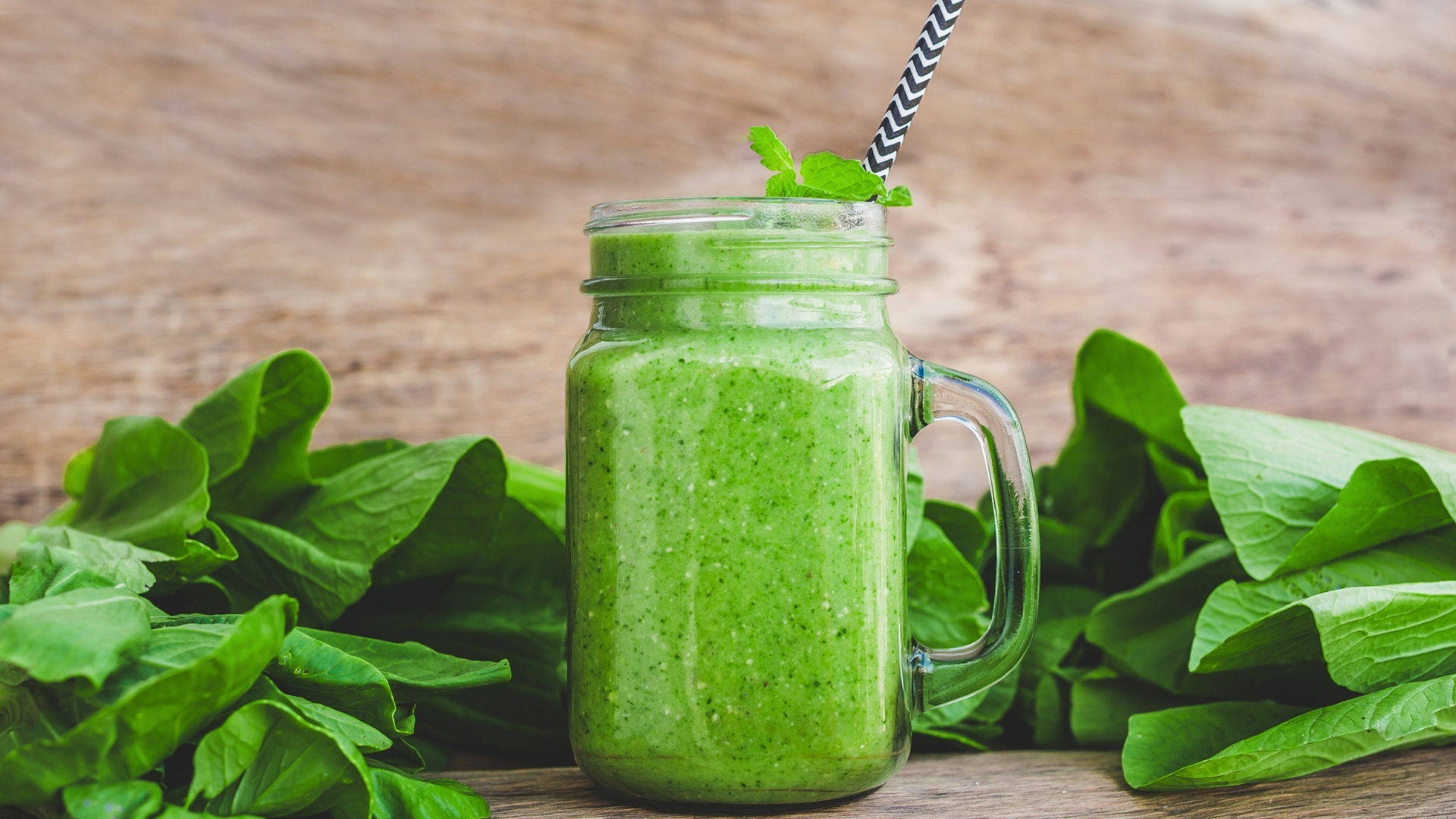
- Leafy green vegetables
- Berries
- Salmon
- Eggs
- Greek yogurt
- Pumpkin seeds
- Walnuts
- Broccoli
- Chickpeas
- Oats
These foods provide protein, fiber, healthy fats, vitamins, and minerals that contribute to overall health.
Foods to Limit
Try to reduce:
- Sugary beverages
- Highly processed snacks
- Refined carbohydrates
- Excess alcohol
- Ultra-processed fast food
A balanced approach is generally more sustainable than restrictive diets.
When to See a Doctor
Natural lifestyle habits can support healthy hormone function, but they cannot treat every hormonal disorder. Consult a healthcare professional if you experience:
- Persistent fatigue
- Severe menstrual irregularities
- Rapid unexplained weight changes
- Infertility
- Ongoing hair loss
- Significant mood changes
- Symptoms suggestive of thyroid disease
Medical testing can help identify underlying conditions and determine whether treatment is needed.
Supporting hormone balance naturally begins with consistent healthy habits rather than quick fixes. Eating a nutrient-rich diet, exercising regularly, managing stress, getting enough sleep, and maintaining a healthy weight can all contribute to better hormonal health.
If symptoms continue despite healthy lifestyle changes, seek medical advice. Hormonal health is complex, and identifying the underlying cause is the best way to receive appropriate care.

References