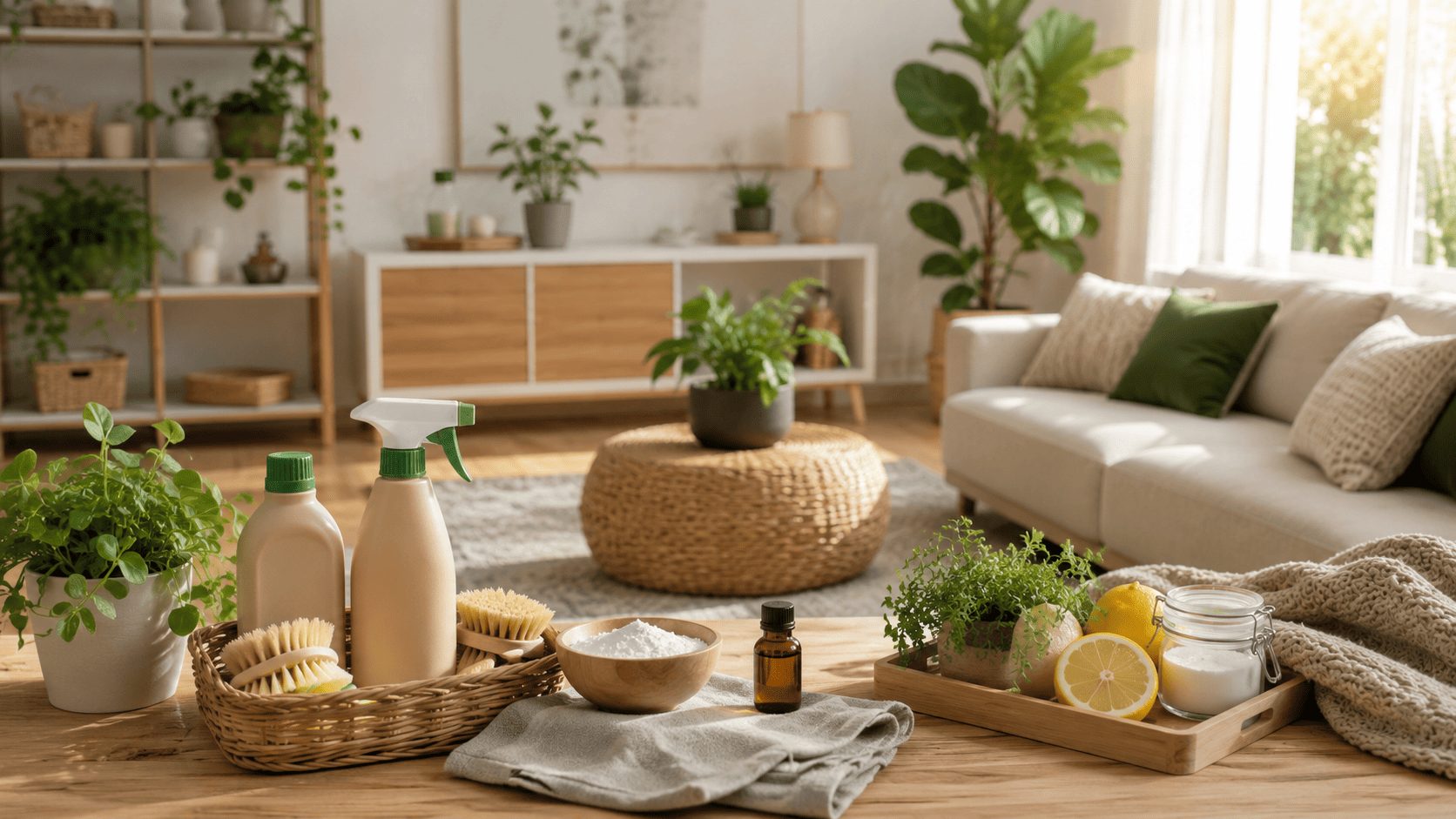
Creating a non-toxic home has become a priority for many families seeking a healthier lifestyle. Modern homes often contain hidden chemicals in cleaning products, furniture, personal care items, and even the air we breathe. These toxins can contribute to allergies, respiratory issues, skin irritation, and long-term health concerns.
The good news is that building a non-toxic home doesn't require a complete overhaul. Small, intentional changes can significantly reduce your exposure to harmful substances and create a safer environment for everyone in your household.
Table of Contents
- Why a Non-Toxic Home Matters
- Improve Indoor Air Quality
- Switch to Non-Toxic Cleaning Products
- Eliminate Synthetic Fragrances
- Choose Safer Furniture and Home Decor
- Upgrade Your Kitchen
- Select Natural Personal Care Products
- Reduce Household Dust
- Create a Non-Toxic Laundry Routine
- Be Mindful of Pesticides
- Make Changes Gradually
- Common Mistakes to Avoid
Why a Non-Toxic Home Matters
Indoor air can contain pollutants from household products, paints, synthetic fragrances, and building materials. Since most people spend a large portion of their time indoors, reducing these exposures can support overall health and well-being.
Benefits of a non-toxic home include:
- Improved indoor air quality
- Reduced allergy and asthma triggers
- Better sleep quality
- Lower exposure to harmful chemicals
- A healthier environment for children and pets
1. Improve Indoor Air Quality
One of the most effective ways to create a non-toxic home is by focusing on air quality.
Open Windows Regularly
Fresh air helps remove indoor pollutants and prevents the buildup of harmful chemicals. Open windows daily whenever weather and air quality permit.
Use Air Purifiers
High-quality air purifiers with HEPA filters can help capture dust, pollen, pet dander, and other airborne particles.
Add Houseplants
Certain indoor plants can help improve the ambiance of your home while contributing to a fresher indoor environment.
Popular options include:
- Snake Plant
- Spider Plant
- Peace Lily
- Areca Palm
2. Switch to Non-Toxic Cleaning Products
Many conventional cleaning products contain harsh chemicals that can irritate the skin, eyes, and respiratory system.
Choose Natural Alternatives
Look for cleaning products that are:
- Fragrance-free
- Biodegradable
- Plant-based
- Free from chlorine and ammonia
DIY Cleaning Solutions
Simple ingredients can be highly effective:
- White vinegar for glass and surfaces
- Baking soda for scrubbing
- Lemon juice for natural deodorizing
These alternatives reduce chemical exposure while keeping your home clean.
3. Eliminate Synthetic Fragrances
Artificial fragrances are commonly found in:
- Air fresheners
- Candles
- Laundry products
- Personal care items
Many fragrance formulations contain chemicals that may trigger headaches, allergies, or sensitivities.
Better Alternatives
Consider using:
- Essential oil diffusers
- Beeswax candles
- Fragrance-free detergents
- Natural room sprays
Reducing synthetic fragrances is a simple step toward a healthier home environment.
4. Choose Safer Furniture and Home Decor
Furniture can release volatile organic compounds (VOCs) through a process known as off-gassing.
Look for Low-VOC Products
When purchasing furniture, prioritize:
- Solid wood furniture
- Low-VOC finishes
- Natural fibers
- Formaldehyde-free materials
Avoid Toxic Materials
Limit exposure to products containing:
- Particleboard
- Synthetic adhesives
- Flame retardants
These materials can release chemicals into your indoor environment over time.
5. Upgrade Your Kitchen
The kitchen is an important place to reduce toxic exposure.
Replace Plastic Food Containers
Choose safer alternatives such as:
- Glass containers
- Stainless steel storage
- Silicone food-safe products
Avoid Non-Stick Cookware Damage
Scratched non-stick cookware may release unwanted substances when overheated.
Health-conscious alternatives include:
- Stainless steel
- Cast iron
- Ceramic cookware
Filter Drinking Water
A quality water filter can help reduce contaminants and improve water quality for drinking and cooking.
6. Select Natural Personal Care Products
Many personal care products contain ingredients that may not align with a non-toxic lifestyle.
Read Ingredient Labels
Look for products with:
- Simple ingredient lists
- Transparent labeling
- Minimal synthetic additives
Focus on Essentials
Start by replacing products you use daily, including:
- Shampoo
- Soap
- Toothpaste
- Deodorant
- Moisturizer
Gradual changes are often more affordable and sustainable.
7. Reduce Household Dust
Dust can contain pollutants from furniture, electronics, and household materials.
Effective Dust Control Tips
- Vacuum regularly using a HEPA-filter vacuum
- Wash bedding weekly
- Remove shoes at the door
- Use damp cloths for dusting
These habits can significantly reduce indoor contaminants.
8. Create a Non-Toxic Laundry Routine
Laundry products often contain synthetic fragrances and chemical additives.
Choose Safer Laundry Products
Look for:
- Fragrance-free detergents
- Plant-based formulas
- Wool dryer balls instead of dryer sheets
This simple switch can reduce chemical residues on clothing and bedding.
9. Be Mindful of Pesticides
Traditional pesticides may introduce unnecessary toxins into your living space.
Natural Pest Control Methods
Consider:
- Sealing cracks and entry points
- Keeping food sealed
- Using natural deterrents
- Maintaining cleanliness
Prevention is often the safest and most effective solution.
10. Make Changes Gradually
Creating a non-toxic home doesn't have to happen overnight.
A practical approach includes:
- Replace products as they run out.
- Prioritize items used daily.
- Focus on one room at a time.
- Research before purchasing replacements.
Small, consistent improvements can lead to significant long-term benefits.
Common Mistakes to Avoid
When transitioning to a non-toxic home, avoid these common pitfalls:
- Throwing away everything at once
- Assuming “natural” always means safe
- Ignoring indoor air quality
- Overlooking furniture and building materials
- Buying products without reading ingredient labels
A balanced, informed approach is usually the most effective.
Learning how to create a non-toxic home is an investment in your health and well-being. By improving air quality, choosing safer cleaning products, reducing synthetic fragrances, and making mindful purchasing decisions, you can significantly reduce your family's exposure to harmful chemicals.
Remember, perfection isn't the goal. Every positive change—no matter how small—contributes to a healthier, safer, and more comfortable living environment. Start with simple swaps, build sustainable habits, and enjoy the benefits of a cleaner and more non-toxic home.

References
- How to Create a Non-Toxic Home to Support Your Wellbeing
- Create a Healthy, Nontoxic Home
- How to Build a Non-Toxic and Healthy Home
- The Non-Toxic Home: A Room-by-Room Guide
- Your support allows us to make big impacts! Will you donate today?
- My Chemical-Free HouseMy Chemical-Free House: A Guide to Creating a Healthy Home