In brief
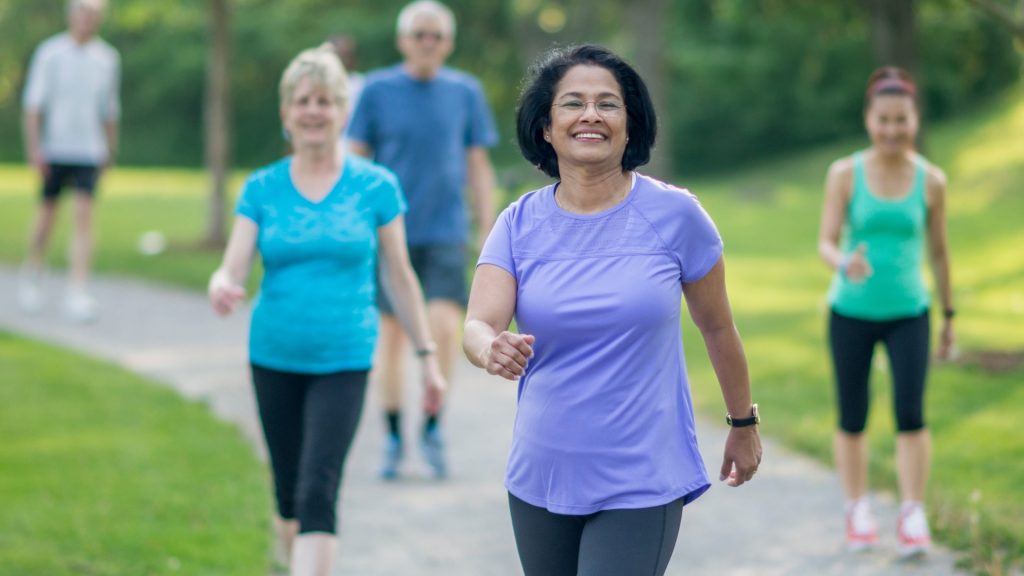
Walking is one of the simplest and most accessible forms of exercise. But have you ever wondered if taking a stroll right after a meal can actually be beneficial—or harmful—to your health? Let’s explore the effects of post-meal walking and why it…
Walking is one of the simplest and most accessible forms of exercise. But have you ever wondered if taking a stroll right after a meal can actually be beneficial—or harmful—to your health? Let’s explore the effects of post-meal walking and why it might be a game-changer for your digestion and overall wellness.
table of contents
boosts digestion
After you eat, your body focuses on breaking down food and absorbing nutrients. A gentle walk stimulates your digestive tract and can help food move more smoothly through your stomach and intestines. This can reduce bloating and discomfort, especially after heavy meals.
helps regulate blood sugar levels
Several studies show that walking after a meal can help lower post-meal blood sugar spikes, particularly in people with type 2 diabetes. Even a short 10–15 minute walk can improve insulin sensitivity and help your body process glucose more efficiently.
supports weight management
Walking after eating may aid in weight management. Light activity helps burn extra calories and can prevent your body from storing excess sugar as fat. Over time, this simple habit can contribute to a healthier weight and better metabolism.
reduces heartburn and acid reflux
While lying down immediately after eating can sometimes trigger heartburn or acid reflux, a gentle walk keeps your body upright and encourages proper digestion. Avoid brisk or intense exercise right after a heavy meal, as that might worsen reflux for some people.
improves mood and energy
A post-meal walk not only benefits your physical health but also your mental well-being. Walking increases blood circulation, releases endorphins, and helps prevent the sluggish, drowsy feeling that often follows a large meal.
tips for walking after eating
-
Keep it light: Aim for a gentle stroll rather than an intense workout.
-
Duration matters: 10–30 minutes is enough for most people.
-
Timing: Start walking about 10–15 minutes after finishing your meal to give your body a small head start on digestion.
-
Comfortable pace: Maintain a pace that doesn’t leave you out of breath or uncomfortable.
when to be cautious
While walking after eating is generally safe, avoid high-intensity exercises immediately after a large meal. Intense workouts can divert blood flow from your digestive system and may cause cramps or nausea.
Yes, walking after eating is good for you—when done mindfully. A gentle post-meal walk can aid digestion, stabilize blood sugar, support weight management, and even improve your mood. Incorporating this simple habit into your daily routine can have long-term benefits for your health.

Make this guide useful
How to put Is Walking After Eating Good for You? into practice
Use this article as a focused starting point for exploring Healthy Lifestyle. Read the ideas in the context of your own routine, priorities and available resources; the most useful change is usually the one you can return to consistently.
Start with one clear intention
Before trying everything at once, decide what you want this guide to help with. Write down one small, realistic action connected to “Is Walking After Eating Good for You?”, choose when you will try it, and notice what makes it easier or harder to continue.
Use a simple check-in
Give yourself enough time to observe rather than judge. A short note about what you tried, how it fitted into your day and what you would adjust next time can turn general advice into a routine that feels personal and sustainable.
Questions to take with you
- Which part of Healthy Lifestyle feels most relevant to my current routine?
- What is the smallest version of this idea I could try this week?
- What would help me keep the change practical, enjoyable and consistent?
Wellness information is for general education and is not a substitute for personalised medical advice. If you have symptoms, a diagnosis, take medication, are pregnant or have a health concern, speak with a qualified healthcare professional before making significant changes.
Continue exploring Healthy Lifestyle
- Neurowellness Explained: Simple Natural Ways to Support Your Mind
- Low Waste Lifestyle 2026: Simple Ways to Reduce Waste and Live More Sustainably
- Authentic Lifestyle Content: Building Trust and Connection Through Real Stories