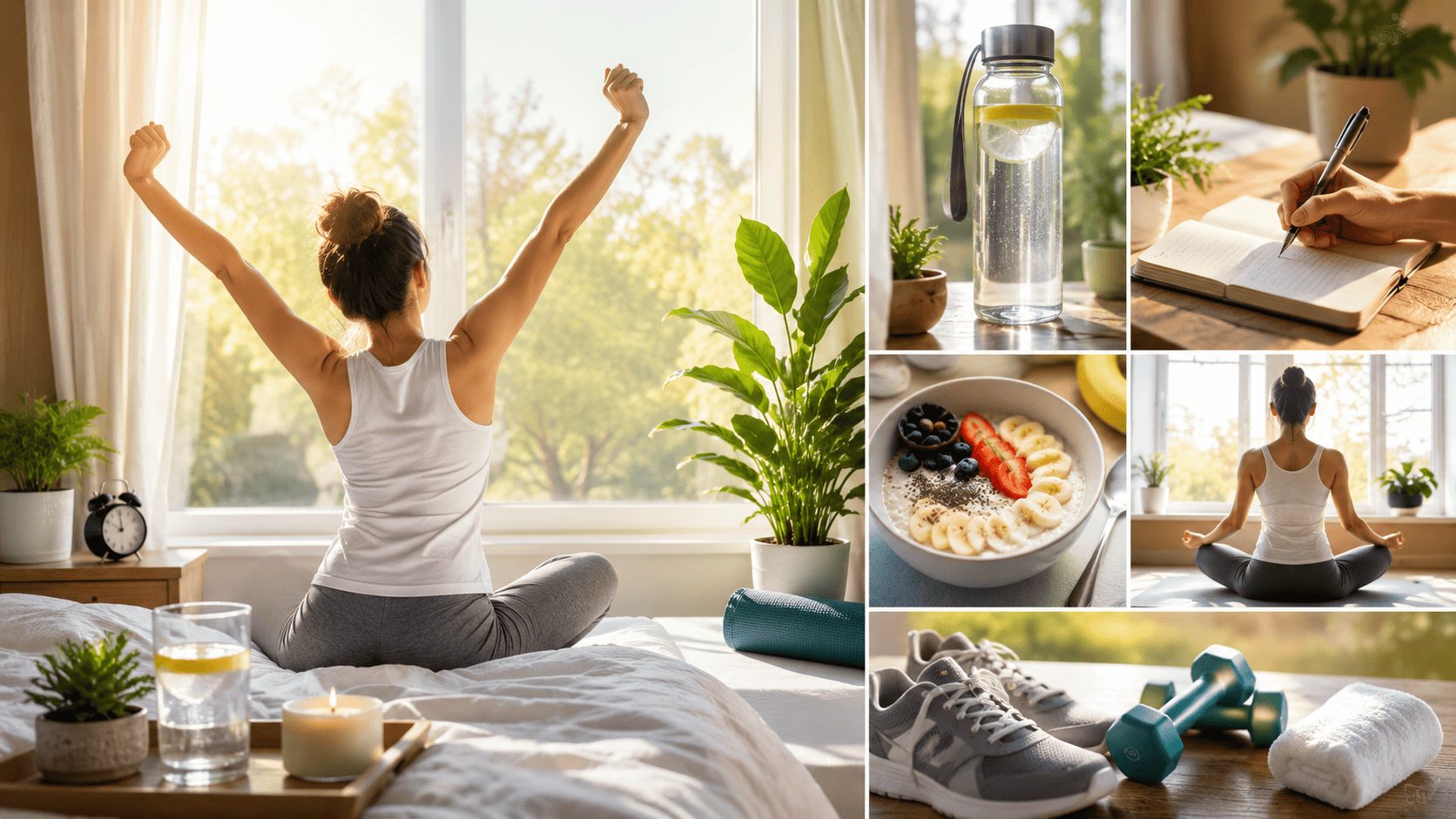
A healthy morning routine can set the tone for the rest of your day. The way you spend your first hour after waking up influences your energy levels, productivity, mood, and overall well-being. By adopting a consistent morning routine for better health, you can improve both your physical and mental wellness while building positive habits that last a lifetime.
In this article, you'll discover practical and science-backed morning habits that can help you feel more energized, focused, and healthier every day.
Table of Contents
Why a Healthy Morning Routine Matters
Your morning routine acts as the foundation for your daily lifestyle. Healthy morning habits can:
- Increase energy levels
- Improve concentration and productivity
- Boost metabolism
- Reduce stress and anxiety
- Support heart health
- Strengthen your immune system
- Encourage healthier eating choices throughout the day
Even making small improvements to your morning can have a significant impact over time.
Wake Up at a Consistent Time
Your body functions best with a regular sleep schedule. Waking up at the same time every day helps regulate your internal body clock, improves sleep quality, and makes mornings feel less stressful.
Tip: Aim for 7–9 hours of quality sleep each night to support overall health.
Drink Water Immediately After Waking
Your body becomes mildly dehydrated during sleep. Drinking one or two glasses of water first thing in the morning helps:
- Rehydrate the body
- Support digestion
- Improve brain function
- Increase alertness
- Kick-start metabolism
Adding lemon is optional if you enjoy the taste, but plain water is just as effective for hydration.
Stretch Your Body
Gentle stretching improves flexibility, increases blood circulation, and reduces muscle stiffness after sleeping.
Spend just 5–10 minutes stretching your:
- Neck
- Shoulders
- Back
- Hips
- Legs
This simple habit can also reduce the risk of injury during daily activities.
Get Moving with Light Exercise
Morning exercise boosts endorphins, improves cardiovascular health, and increases energy throughout the day.
Good options include:
- Walking
- Jogging
- Yoga
- Cycling
- Bodyweight exercises
- Jump rope
Even a 20-minute workout provides noticeable health benefits.
Practice Mindfulness or Meditation
Mental health is just as important as physical health.
Spending 5–10 minutes meditating or practicing deep breathing can:
- Lower stress hormones
- Improve emotional balance
- Increase focus
- Reduce anxiety
Many people also enjoy gratitude journaling to start the day with a positive mindset.
Eat a Nutritious Breakfast
A balanced breakfast provides the fuel your body needs for sustained energy.
Healthy breakfast ideas include:
- Oatmeal with fruits
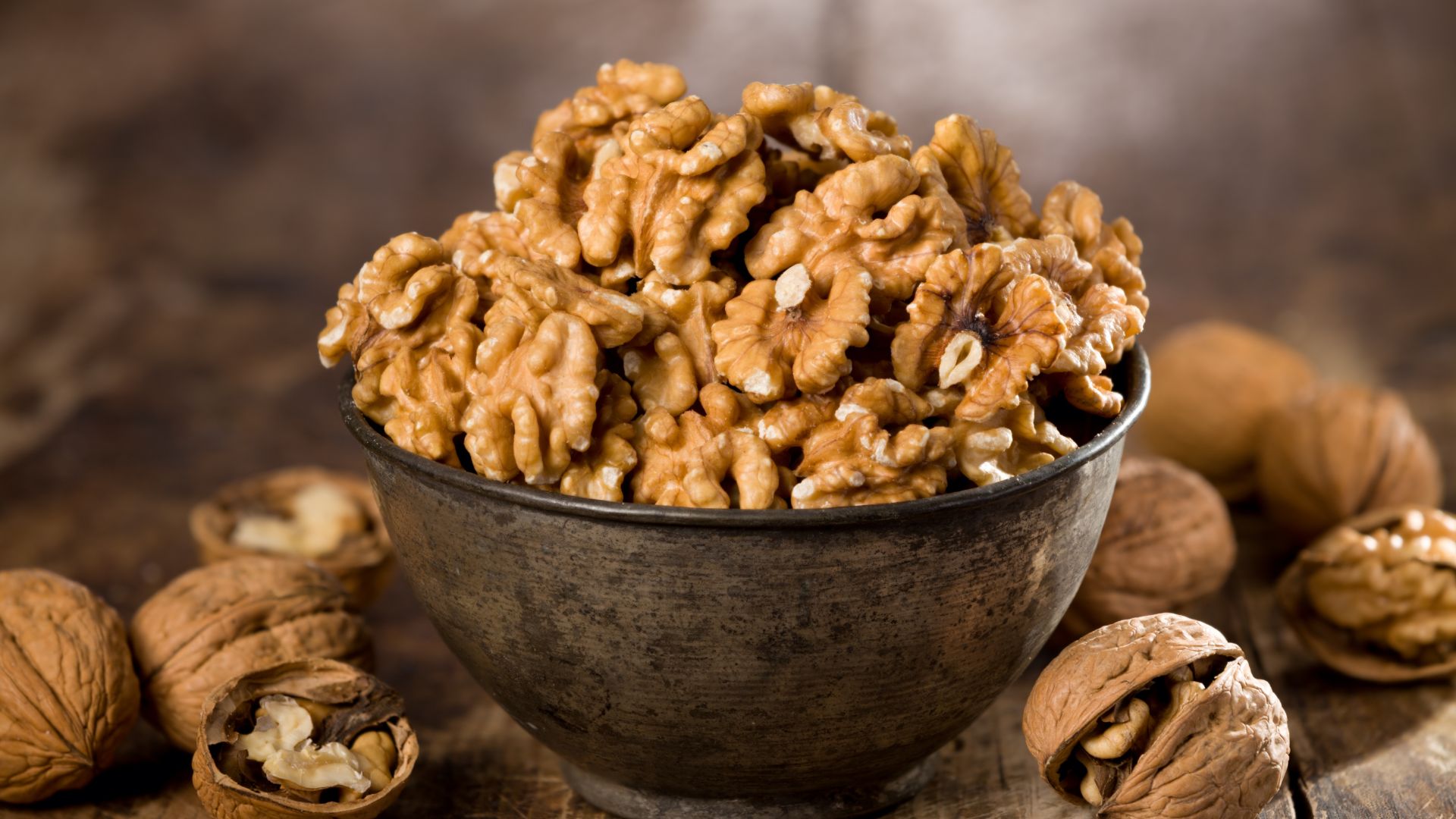
- Greek yogurt with nuts
- Eggs and whole-grain toast
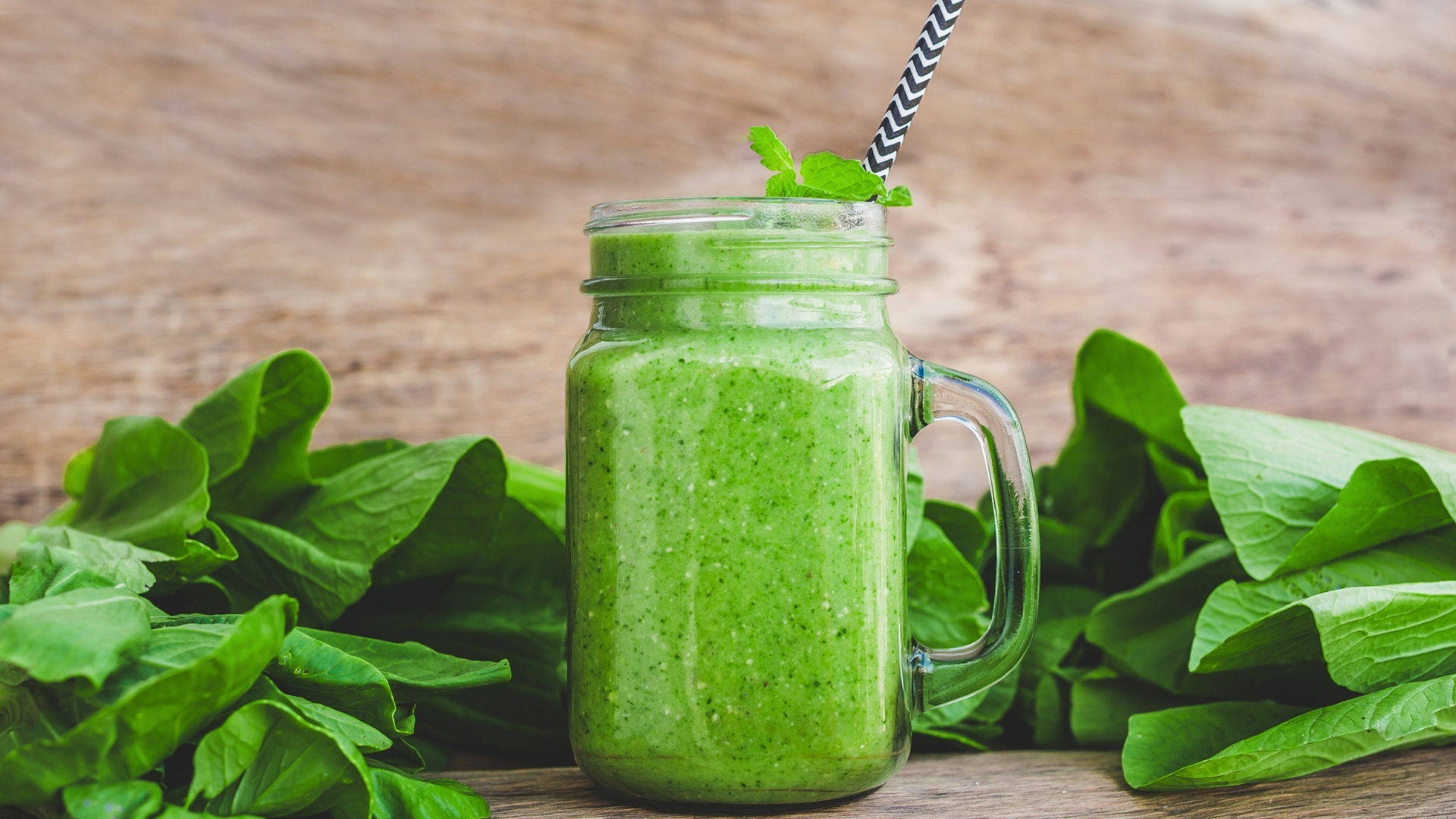
- Smoothies with spinach and berries
- Peanut butter on whole-grain bread
Choose meals that include protein, healthy fats, and complex carbohydrates.
Spend Time in Natural Sunlight
Morning sunlight helps regulate your circadian rhythm and supports vitamin D production.
Just 10–20 minutes of natural light exposure may:
- Improve mood
- Increase alertness
- Support better sleep at night
- Boost overall well-being
A short walk outside is an excellent way to combine sunlight with physical activity.
Avoid Checking Your Phone Immediately
Many people begin their day by scrolling through social media or reading emails.
Instead, spend the first 20–30 minutes focusing on yourself.
This can help:
- Reduce stress
- Improve concentration
- Create a calmer mindset
- Prevent information overload
Your phone can wait while you prioritize your health.
Plan Your Day
Take a few minutes to organize your schedule.
Write down:
- Top three priorities
- Important appointments
- Workout goals
- Meals for the day
- Personal tasks
Planning reduces mental clutter and increases productivity.
Maintain Consistency
The best morning routine is one you can maintain consistently.
Start with two or three healthy habits instead of trying to change everything at once.
As these habits become automatic, gradually add new ones to build a sustainable healthy lifestyle.
Sample Morning Routine for Better Health
Here's an example of a simple morning schedule:
| Time | Activity |
|---|---|
| 6:30 AM | Wake up |
| 6:35 AM | Drink water |
| 6:40 AM | Stretch |
| 6:50 AM | Exercise |
| 7:20 AM | Shower |
| 7:35 AM | Healthy breakfast |
| 7:50 AM | Meditation or journaling |
| 8:00 AM | Plan the day |
Adjust the timing based on your personal schedule and preferences.
Benefits of Following a Morning Routine
When practiced consistently, a healthy morning routine can lead to:
- Better physical fitness
- Improved mental clarity
- Higher productivity
- Healthier eating habits
- Better sleep quality
- Lower stress levels
- Stronger immune function
- Improved long-term wellness
Small daily habits often create the biggest long-term results.
Frequently Asked Questions (FAQs)
What is the best morning routine for better health?
A healthy morning routine typically includes waking up consistently, drinking water, exercising, eating a balanced breakfast, practicing mindfulness, and planning your day.
How long should a morning routine be?
A morning routine can be as short as 20–30 minutes or as long as 90 minutes. The key is consistency rather than duration.
Is breakfast necessary every morning?
Breakfast can provide energy and nutrients, but individual needs vary. Choose a balanced meal if you eat breakfast, and consult a healthcare professional if you have specific dietary concerns.
Does morning exercise improve health?
Yes. Regular morning exercise supports heart health, improves mood, boosts metabolism, and increases energy throughout the day.
Creating a morning routine for better health doesn't require drastic lifestyle changes. Simple habits like drinking water, exercising, eating a nutritious breakfast, practicing mindfulness, and planning your day can significantly improve your overall well-being. Start with one or two healthy habits today, stay consistent, and you'll likely notice positive changes in your energy, focus, and long-term health.

References