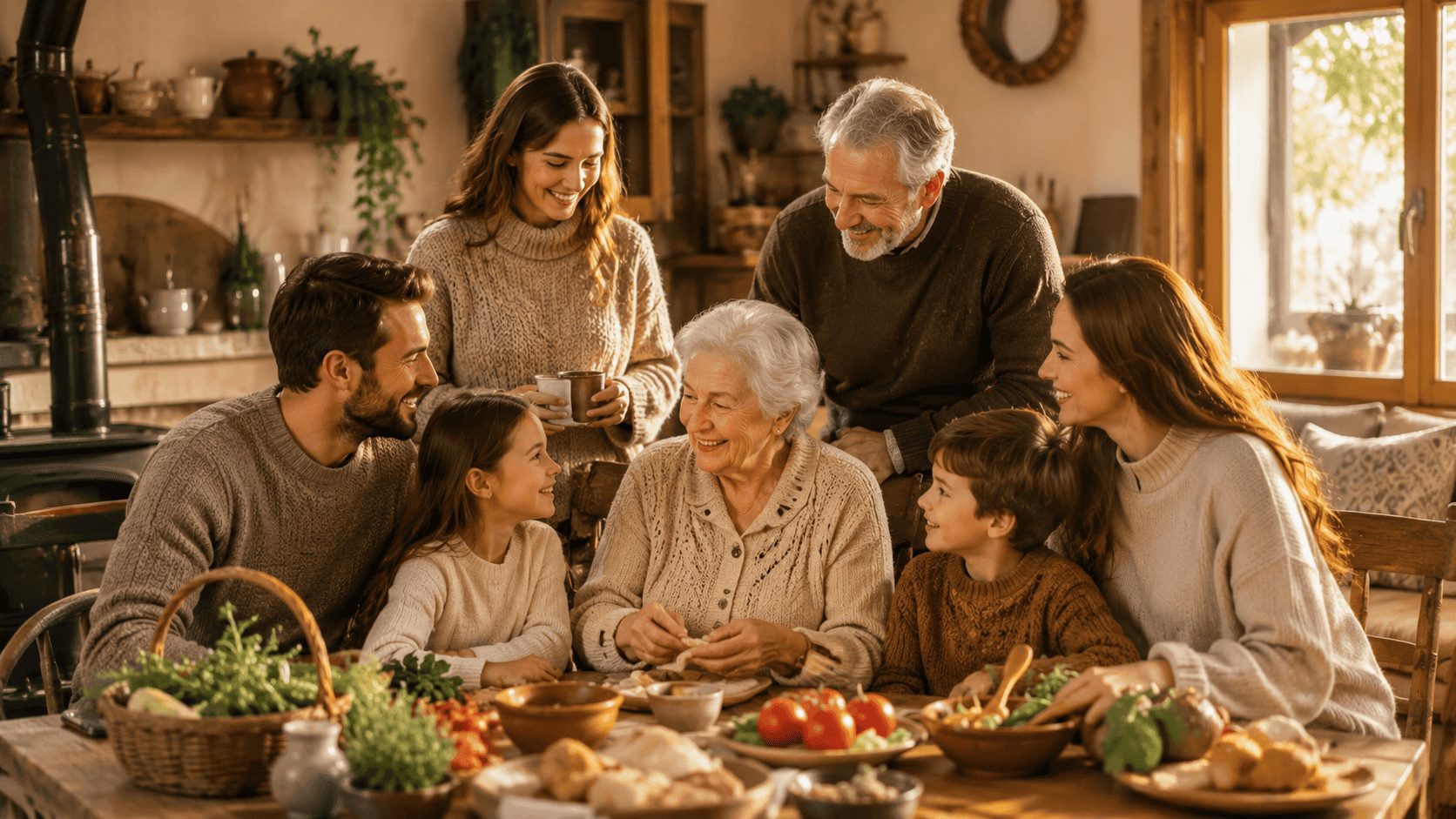
“Nonna-maxxing” is a playful internet term for embracing the habits, values, and routines traditionally associated with an Italian grandmother—or nonna. Think homemade meals, family recipes, practical homemaking, gardening, preserving food, sitting around the dinner table, and making everyday life feel a little more intentional.
The trend is part nostalgia and part lifestyle philosophy. Rather than chasing constant convenience and productivity, nonna-maxxing celebrates skills and routines that bring family members together.
At its heart, it asks a simple question: What if a good life looked less like doing more and more like doing things together?
Table of Contents
- Why Is Nonna-maxxing Becoming Popular?
- The Role of Food
- Bringing Back the Family Dinner
- Traditional Skills in a Modern World
- Is Nonna-maxxing Really About Going Backward?
- Nonna-maxxing and the Slow-Living Movement
- How to Try Nonna-maxxing Without Changing Your Entire Life
- The Bigger Meaning Behind the Trend
- FAQs About Nonna-maxxing
Why Is Nonna-maxxing Becoming Popular?
Modern life can feel increasingly fast, digital, and individualistic. Many people spend long hours working, order meals through apps, communicate through screens, and have fewer opportunities for extended family gatherings.
Against that backdrop, traditional family living can seem surprisingly appealing.
Nonna-maxxing represents a desire for:
- More meaningful family time
- Home-cooked food
- Traditional recipes and cooking skills
- Multigenerational connections
- Slower daily routines
- Practical household skills
- Shared meals and celebrations
- A stronger sense of home
The appeal isn't necessarily about recreating the past exactly. Instead, people are selectively bringing back traditions that make contemporary life feel more grounded.
The Role of Food
Food is probably the most recognizable part of nonna-maxxing.
Making pasta from scratch, baking bread, preparing soup from seasonal ingredients, growing herbs, or learning a family recipe can turn cooking from a chore into a shared activity.
Traditional cooking also carries cultural memory. A recipe can connect generations in a way that a digital photo or social-media post often cannot.
This is why family recipes have become more than instructions for preparing food. They can represent identity, history, and belonging.
Bringing Back the Family Dinner
One of the simplest forms of traditional family living is eating together.
A shared dinner creates a natural opportunity for conversation without the pressure of organizing a special event. Phones can be put aside, food can be prepared together, and family members can reconnect at the end of the day.
The meal itself doesn't have to be elaborate. A simple homemade dinner can provide the same social benefits as a complicated feast.
In this sense, nonna-maxxing is less about perfection and more about ritual.
Traditional Skills in a Modern World
Nonna-maxxing also reflects renewed interest in practical skills.
People are learning how to:
- Cook without relying entirely on packaged food
- Bake bread and make preserves
- Sew and repair clothing
- Grow vegetables and herbs
- Make household items from scratch
- Organize family celebrations
- Pass recipes and traditions between generations
These skills can provide a sense of independence while also creating opportunities for grandparents, parents, and children to learn from one another.
Is Nonna-maxxing Really About Going Backward?
Not necessarily.
Traditional family living can be romanticized. Earlier generations also experienced financial pressures, unequal domestic responsibilities, limited choices, and other difficulties that shouldn't be ignored.
The useful part of nonna-maxxing isn't pretending the past was perfect. It's identifying traditions worth keeping while leaving outdated expectations behind.
Someone can enjoy homemade food, family gatherings, gardening, and multigenerational relationships without rejecting modern technology, careers, or individual independence.
That distinction is important.
Nonna-maxxing and the Slow-Living Movement
Nonna-maxxing overlaps with the broader slow-living movement, which emphasizes intentionality over constant consumption and productivity.
Both approaches encourage people to appreciate ordinary experiences: cooking dinner, drinking coffee with family, tending a garden, sharing stories, or spending an afternoon preparing food.
The difference is that nonna-maxxing puts a stronger emphasis on family tradition and inherited knowledge.
Instead of simply slowing down, it asks people to reconnect with practices that have historically brought families together.
How to Try Nonna-maxxing Without Changing Your Entire Life
You don't need to move to the countryside or spend every weekend making pasta.
Start small.
Choose one family recipe and learn how to make it. Have one screen-free dinner each week. Ask an older relative about their childhood meals. Plant a few herbs. Repair something instead of immediately replacing it.
You could even create a family tradition of your own.
The goal isn't to perfectly imitate someone's grandmother. It's to make everyday life more connected, intentional, and memorable.
The Bigger Meaning Behind the Trend
Ultimately, nonna-maxxing says something about what many people may be missing in an increasingly convenient world.
Technology has made life faster and easier, but convenience doesn't automatically create connection. A meal delivered in minutes is useful, but preparing dinner with family can create a different kind of value.
The renewed interest in traditional family living suggests that people aren't necessarily searching for a simpler past. They may simply be searching for more meaningful ways to live in the present.
And perhaps that's the real appeal of nonna-maxxing: not becoming your grandmother, but remembering some of the things she knew were worth making time for.
FAQs About Nonna-maxxing
What does “nonna-maxxing” mean?
Nonna-maxxing is an informal internet expression describing the adoption of traditional, grandmother-inspired lifestyle habits such as home cooking, family rituals, gardening, sewing, and multigenerational living.
Is nonna-maxxing only about Italian culture?
The term is inspired by the Italian word nonna, meaning grandmother, but the broader idea can apply to traditional family practices from many cultures.
Is nonna-maxxing the same as traditionalism?
Not exactly. Nonna-maxxing is often used playfully to describe selected traditional habits rather than a complete commitment to traditional social roles or values.
How can families practice nonna-maxxing?
Families can start with simple rituals such as shared meals, cooking together, preserving family recipes, gardening, celebrating holidays traditionally, or spending more time with older relatives.
Why are traditional family lifestyles appealing today?
They can offer connection, routine, practical skills, cultural continuity, and a sense of belonging at a time when everyday life can feel increasingly fast-paced and digital.

References