In brief
Physical wellness means taking care of your body so it functions at its best. It’s not just about looking fit — it’s about feeling energetic, strong, and balanced. When you maintain physical wellness, you’re actively supporting your body to handle daily tasks,…
Physical wellness means taking care of your body so it functions at its best. It’s not just about looking fit — it’s about feeling energetic, strong, and balanced. When you maintain physical wellness, you’re actively supporting your body to handle daily tasks, fight off illness, and enjoy a better quality of life.
Table of Contents
Why Physical Wellness Matters
Your physical health is the foundation of your overall well-being. When your body is strong and well-nourished, your mind performs better too. Physical wellness:
-
Boosts energy and productivity
-
Promotes longevity and vitality
In short, taking care of your physical health empowers every other area of your life — from relationships and work performance to emotional stability.
Key Components of Physical Wellness
1. Exercise
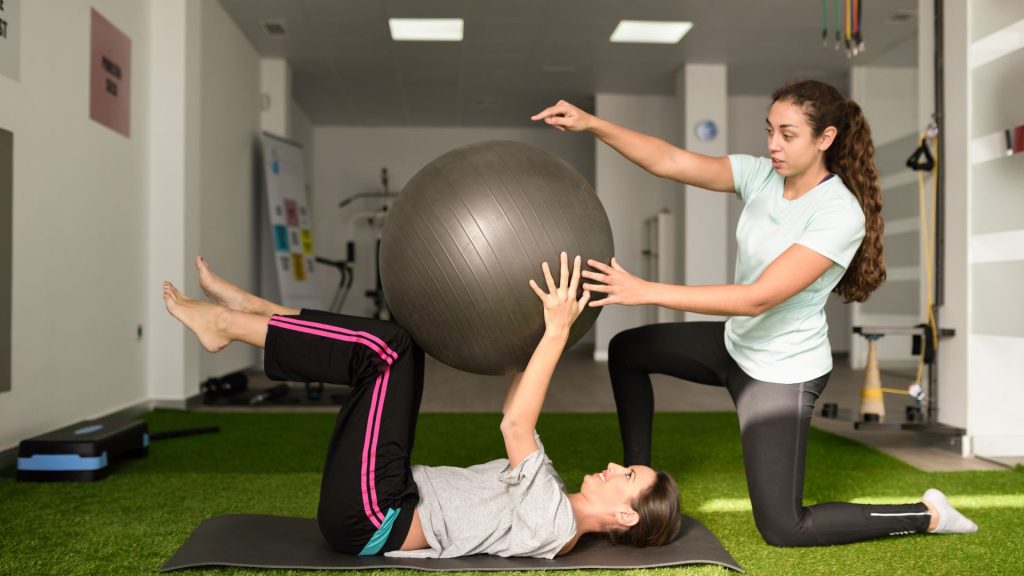
Regular movement keeps your heart healthy, muscles strong, and joints flexible. Aim for at least 30 minutes of moderate activity daily — whether it’s walking, cycling, yoga, or dancing. Remember: consistency matters more than intensity!
2. Nutrition
You are what you eat! A balanced diet filled with fruits, vegetables, whole grains, lean proteins, and healthy fats nourishes your body from within. Avoid overly processed foods and stay mindful of portion sizes.
3. Sleep
Quality sleep is as important as diet and exercise. Adults should get 7–8 hours of restful sleep each night. Good sleep helps repair tissues, balance hormones, and rejuvenate your mind.
4. Hydration
Your body is about 60% water — so hydration is key! Drinking enough water throughout the day supports digestion, circulation, skin health, and energy levels. Aim for at least 2–3 liters daily.
5. Regular Health Checkups
Preventive care is vital. Regular checkups and screenings help detect potential health issues early, keeping you in control of your wellness journey.
Practical Tips to Improve Physical Wellness
-
Take short walks after meals.
-
Swap sugary drinks for water or herbal teas.
-
Stretch for 5 minutes every morning.
-
Eat more whole foods and fewer processed snacks.
-
Practice mindful breathing or meditation to manage stress.
-
Schedule regular health checkups and track your progress.
Physical wellness isn’t about perfection — it’s about progress. Every small, healthy choice adds up to a stronger, happier, and more confident you. Start where you are, do what you can, and remember: your body is your lifelong companion, so treat it with care, respect, and love.

Make this guide useful
How to put Physical Wellness: Your Path to a Healthier, Happier Life into practice
Use this article as a focused starting point for exploring Health & Wellness. Read the ideas in the context of your own routine, priorities and available resources; the most useful change is usually the one you can return to consistently.
Start with one clear intention
Before trying everything at once, decide what you want this guide to help with. Write down one small, realistic action connected to “Physical Wellness: Your Path to a Healthier, Happier Life”, choose when you will try it, and notice what makes it easier or harder to continue.
Use a simple check-in
Give yourself enough time to observe rather than judge. A short note about what you tried, how it fitted into your day and what you would adjust next time can turn general advice into a routine that feels personal and sustainable.
Questions to take with you
- Which part of Health & Wellness feels most relevant to my current routine?
- What is the smallest version of this idea I could try this week?
- What would help me keep the change practical, enjoyable and consistent?
Wellness information is for general education and is not a substitute for personalised medical advice. If you have symptoms, a diagnosis, take medication, are pregnant or have a health concern, speak with a qualified healthcare professional before making significant changes.
Further reading