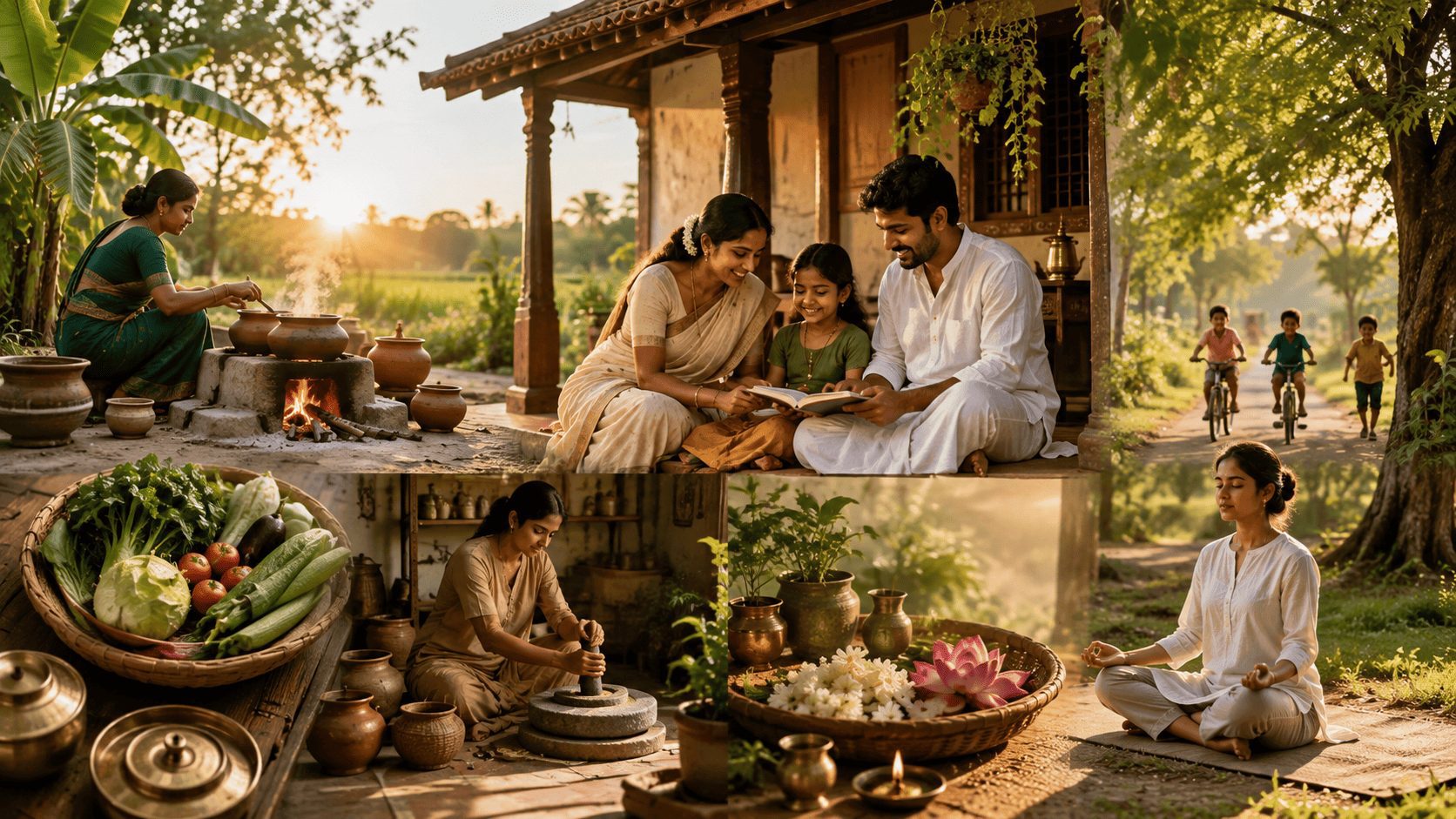
In a world filled with technology, fast-paced routines, processed foods, and constant digital distractions, many people are beginning to look back at the benefits of a traditional lifestyle. Traditional ways of living often emphasize natural foods, regular physical activity, strong social connections, time outdoors, and a slower, more balanced approach to everyday life.
A traditional lifestyle does not mean rejecting modern life. Instead, it means learning from time-tested habits and adapting them to today's world.
Table of Contents
- What Is a Traditional Lifestyle?
- Traditional Lifestyle and Healthy Eating
- The Importance of Everyday Physical Activity
- Traditional Lifestyle and Mental Well-Being
- Spending More Time Outdoors
- Traditional Lifestyle vs. Modern Wellness Trends
- How to Adopt a Traditional Lifestyle Today
- Is a Traditional Lifestyle Right for Everyone?
- Traditional Lifestyle: A Simpler Path to Better Living
- Frequently Asked Questions
What Is a Traditional Lifestyle?
A traditional lifestyle is a way of living based on practices, values, and routines that have been passed down through generations. Although traditional lifestyles vary between cultures and communities, many share common principles.
These may include:
- Eating fresh, locally available foods
- Cooking meals at home
- Staying physically active through daily tasks
- Spending time with family and community
- Getting adequate rest and sleep
- Spending time outdoors
- Following simple daily routines
- Limiting unnecessary consumption
- Maintaining a connection with cultural traditions
Unlike many modern wellness trends that focus on expensive products or complicated routines, traditional living often emphasizes simplicity and consistency.
Traditional Lifestyle and Healthy Eating
One of the most noticeable aspects of a traditional lifestyle is the approach to food. Before highly processed foods became widely available, many families relied on seasonal produce, whole grains, legumes, vegetables, fruits, nuts, seeds, and traditionally prepared meals.
Traditional cooking methods can also encourage people to become more aware of what they eat. Preparing food at home makes it easier to control ingredients and develop healthier eating habits.
A simple approach could include:
- Choosing more whole foods
- Eating seasonal fruits and vegetables
- Including traditional grains and legumes
- Reducing highly processed foods
- Preparing more meals at home
- Eating mindfully instead of rushing through meals
The goal is not perfection. It is about creating sustainable eating habits that can become part of everyday life.
The Importance of Everyday Physical Activity
Modern life has made many daily activities easier. Cars, elevators, remote work, and digital entertainment can reduce the amount of natural movement we get throughout the day.
Traditional lifestyles often involved more physical activity simply because daily life required it.
Walking, gardening, cleaning, carrying groceries, working around the home, and participating in outdoor activities can all contribute to an active lifestyle.
You do not necessarily need an extreme workout routine to become more active. Small movements throughout the day can complement structured exercise and help create a healthier routine.
Traditional Lifestyle and Mental Well-Being
A traditional lifestyle can also encourage greater connection and balance. In many communities, spending time with family, neighbors, friends, and local groups was an important part of daily life.
Today, people can be connected digitally while still feeling socially isolated.
Creating more opportunities for meaningful interaction can support overall well-being. Simple habits such as sharing meals with family, visiting friends, participating in community activities, or spending time talking without phones can make everyday life feel more connected.
Spending More Time Outdoors
Traditional lifestyles were generally less screen-centered than modern lifestyles. People spent more time walking, working outdoors, visiting neighbors, and interacting with their surroundings.
Making time for nature can be a simple way to bring some of that balance back.
Consider taking a morning walk, spending time in a garden, eating a meal outside, or simply taking a break from screens and observing your surroundings.
The objective is not to completely disconnect from technology. It is to create a healthier relationship with it.
Traditional Lifestyle vs. Modern Wellness Trends
The modern wellness industry offers countless products, supplements, devices, programs, and techniques designed to improve health. Some may be useful, but wellness does not have to be complicated or expensive.
A traditional lifestyle focuses on fundamental habits:
| Traditional Approach | Modern Simple Alternative |
|---|---|
| Home-cooked meals | Prepare more meals yourself |
| Walking as transportation | Add regular walking to your day |
| Community interaction | Make time for family and friends |
| Outdoor activities | Spend more time in nature |
| Regular routines | Create consistent sleep and meal schedules |
| Seasonal foods | Choose fresh, minimally processed foods |
| Rest and downtime | Schedule breaks from work and screens |
The biggest advantage is that these habits can be practical and sustainable.
How to Adopt a Traditional Lifestyle Today
You do not have to completely change your life overnight. Start with a few manageable habits.
1. Cook More Meals at Home
Start by preparing one additional homemade meal each week. Gradually make home cooking a regular part of your routine.
2. Walk More
Take short walks after meals, walk for nearby errands when practical, or spend part of your day moving instead of sitting.
3. Eat More Whole Foods
Build meals around vegetables, fruits, whole grains, legumes, nuts, seeds, and other minimally processed foods that fit your dietary needs.
4. Reconnect With Family and Community
Make time for face-to-face conversations, shared meals, family activities, and community events.
5. Create a Consistent Daily Routine
A predictable routine can make it easier to maintain healthy habits. Aim for regular sleep, meals, movement, work, and relaxation.
6. Reduce Unnecessary Screen Time
Instead of trying to eliminate technology, create specific periods during the day when you put your phone away.
7. Embrace Simplicity
Ask yourself whether a healthier life really requires another product, device, or complicated routine. Often, the basics are a good place to start.
Is a Traditional Lifestyle Right for Everyone?
There is no single definition of a healthy traditional lifestyle. Traditions differ significantly between cultures, families, regions, and generations.
Some traditional practices may be beneficial, while others may not fit modern health recommendations or individual needs. The goal should not be to romanticize the past or copy historical lifestyles exactly.
Instead, take the useful principles—whole foods, movement, connection, routine, rest, and simplicity—and adapt them to your individual circumstances.
Traditional Lifestyle: A Simpler Path to Better Living
A traditional lifestyle offers an important reminder: better health does not always require extreme solutions.
Eating nourishing foods, moving regularly, sleeping well, spending time outdoors, maintaining relationships, and creating space for rest are simple practices that can form the foundation of a healthier life.
In an age of increasingly complicated wellness advice, returning to the basics can be refreshing.
The best traditional lifestyle is not about living in the past. It is about bringing timeless healthy habits into modern life in a practical and sustainable way.
Frequently Asked Questions
What does traditional lifestyle mean?
A traditional lifestyle refers to everyday habits and cultural practices passed down through generations. It often includes home cooking, natural movement, family connections, community involvement, outdoor activities, and simple routines.
Is a traditional lifestyle healthier than a modern lifestyle?
Not necessarily in every respect. Traditional lifestyles can offer valuable habits, but modern healthcare, nutrition science, and technology also provide important benefits. A balanced approach can combine useful traditional practices with evidence-based modern healthcare.
How can I start living a more traditional lifestyle?
Start small. Cook more meals at home, walk regularly, spend time outdoors, connect with family and friends, establish consistent routines, and reduce unnecessary consumption and screen time.
Does traditional living mean giving up technology?
No. Traditional living does not require abandoning modern technology. It is about using technology intentionally while maintaining healthy habits, relationships, physical activity, and time away from screens.
What are the main benefits of a traditional lifestyle?
Potential benefits include greater physical activity, more home-prepared food, stronger social connections, more time outdoors, simpler routines, and a greater focus on sustainable everyday habits.

References
- Traditional Lifestyle
- Culture and Modern Lifestyle: Understanding the Changing World
- 10 Lifestyle Habits for Health: Simple Daily Practices for a Healthier Life
- Ancient Indian Wisdom for Modern Health: Herbal Remedies and Practices
- Traditional Values vs. Modern Lifestyle: The Cultural Challenge of Today’s Generation