Protein is an essential nutrient that supports muscles, bones, enzymes, hormones, and many other functions in the body. While protein is often associated with meat, eggs, and dairy, a wide range of plant foods can also provide valuable amounts of protein.
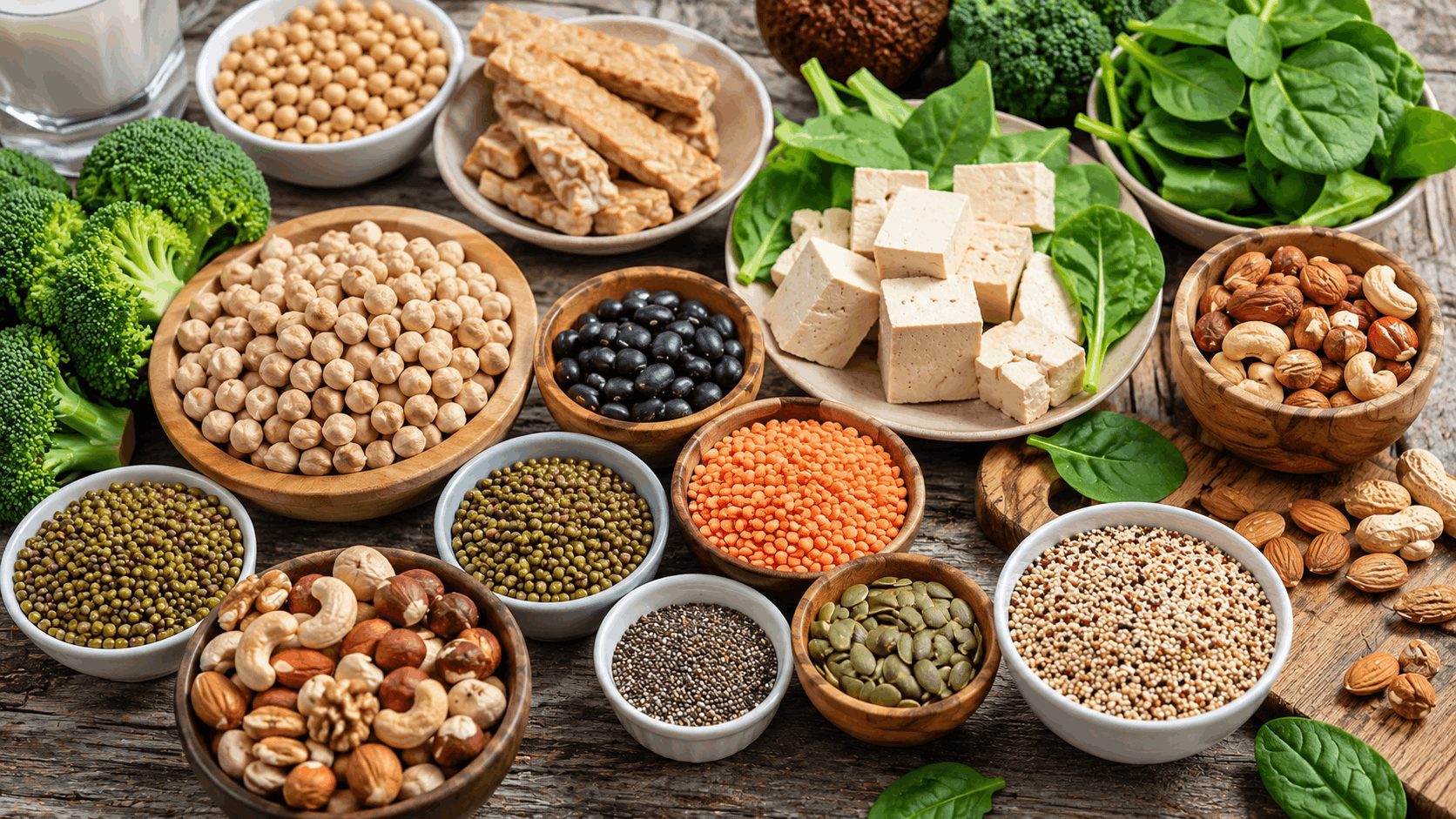
Plant-based protein sources are becoming increasingly popular among people interested in healthy eating, sustainable living, and more diverse diets. Foods such as lentils, chickpeas, beans, tofu, tempeh, nuts, seeds, and quinoa can make nutritious additions to everyday meals.
Adding more plant-based protein does not necessarily mean following a completely vegetarian or vegan diet. Even small changes, such as replacing some meat-based meals with legumes or adding seeds to breakfast, can increase dietary variety.
Table of Contents
Why Choose Plant-Based Protein Sources?
Plant-based protein foods often provide more than protein alone. Many also contain dietary fiber, vitamins, minerals, and beneficial plant compounds.
Including a variety of plant proteins in your diet may help you:
- Increase dietary fiber intake
- Add more variety to meals
- Support healthy digestion
- Maintain muscle as part of an adequate-protein diet
- Enjoy more nutrient-dense meals
The nutritional value varies from one food to another, so eating a diverse selection is a practical approach.
Lentils
Lentils are one of the easiest plant-based protein foods to incorporate into everyday meals. They are also rich in fiber and can be used in a variety of recipes.
Try adding lentils to:
- Soups
- Curries
- Salads
- Grain bowls
- Vegetable stews
Red, green, brown, and black lentils offer different textures and flavors, making them versatile kitchen staples.
Chickpeas
Chickpeas are another convenient source of plant protein. They can be purchased dried or canned and work well in both traditional and modern recipes.
Popular ways to enjoy chickpeas include:
- Hummus
- Chickpea salads
- Curries
- Roasted chickpea snacks
- Grain bowls
Combining chickpeas with vegetables and whole grains can create a satisfying and balanced meal.
Beans
Kidney beans, black beans, navy beans, and other varieties can provide protein along with fiber and important micronutrients.
Beans can be added to:
- Soups
- Wraps
- Salads
- Chilli
- Rice dishes
Keeping cooked or canned beans available can make it easier to prepare quick, nutritious meals.
Tofu
Tofu is made from soybeans and is a versatile plant-based protein source. Its mild flavor allows it to absorb marinades, sauces, and spices.
Tofu can be:
- Stir-fried
- Baked
- Grilled
- Added to soups
- Used in vegetable bowls
It can be a useful alternative to meat in many recipes.
Tempeh
Tempeh is another soy-based food with a firm texture and distinctive flavor. It can be sliced, marinated, and cooked as part of a balanced meal.
Try tempeh with:
- Steamed vegetables
- Brown rice
- Whole-grain noodles
- Salads
- Stir-fries
Its hearty texture makes it particularly useful for people looking for filling plant-based meals.
Nuts and Seeds
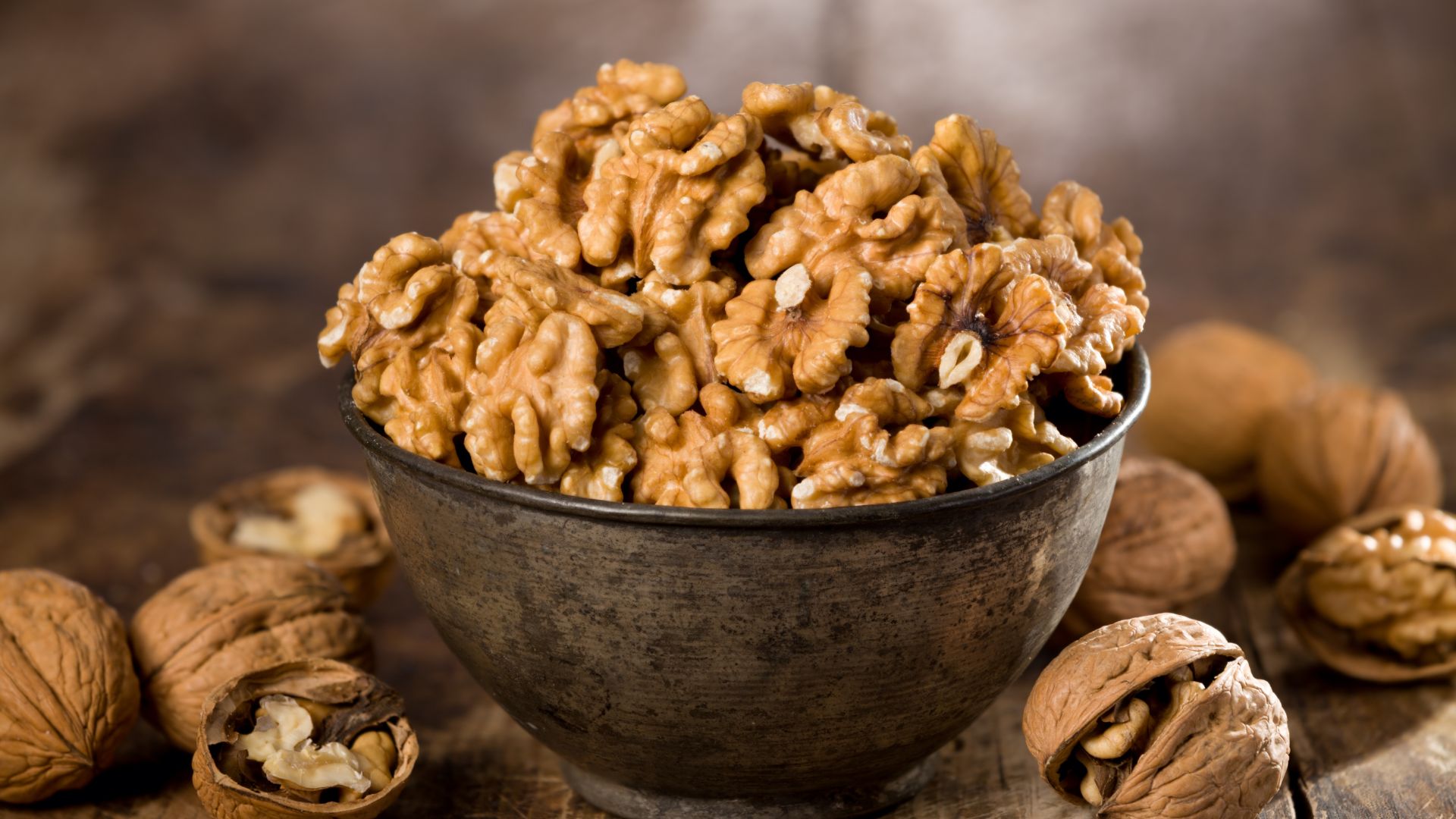
Nuts and seeds can add protein, healthy fats, and other nutrients to everyday meals.
Good options include:
- Almonds
- Peanuts
- Pumpkin seeds
- Chia seeds
- Hemp seeds
- Sunflower seeds
Sprinkle seeds over oatmeal or salads, or enjoy a small portion of nuts as a snack.
Because nuts and seeds are energy-dense, portion sizes still matter.
Quinoa
Quinoa is a nutrient-rich grain-like seed that provides protein as well as fiber and minerals. It is particularly useful as a base for plant-focused meals.
Use quinoa in:
- Buddha bowls
- Salads
- Stuffed vegetables
- Breakfast bowls
- Vegetable-based meals
Pairing quinoa with beans, lentils, or tofu can create a protein-rich meal.
Green Peas
Green peas are an easy way to add plant protein to everyday meals. Fresh or frozen peas can be incorporated into a wide range of dishes.
Add them to:
- Pasta
- Rice
- Soups
- Curries
- Vegetable stir-fries
Frozen peas are particularly convenient because they can be stored for longer periods and cooked quickly.
Oats and Whole Grains
Whole grains such as oats, brown rice, whole wheat, and barley can contribute protein to the overall diet.
Oats are especially useful for breakfast and can be combined with:
- Chia seeds
- Hemp seeds
- Nut butter
- Yogurt
- Fresh fruit
Combining different plant foods throughout the day makes it easier to obtain a wide range of nutrients.
How to Add More Plant Protein to Your Diet
Increasing plant-based protein intake does not have to be complicated.
Start with simple changes such as:
- Adding lentils to soups and curries
- Using chickpeas in salads
- Choosing tofu for a stir-fry
- Adding seeds to oatmeal
- Snacking on nuts
- Replacing some refined grains with quinoa or whole grains
Gradually introducing these foods can make healthy eating easier to maintain.
Do Plant Proteins Provide Enough Protein?
Many plant foods contain meaningful amounts of protein, but their protein content varies. Some plant proteins also have different amino acid profiles compared with animal proteins.
Eating a varied diet that includes legumes, soy foods, grains, nuts, and seeds can help provide a broad range of amino acids and nutrients.
People with higher protein requirements, including athletes, older adults, or individuals with certain health conditions, may benefit from discussing their dietary needs with a registered dietitian or qualified healthcare professional.
Common Mistakes to Avoid
- Relying on only one plant protein source
- Replacing nutritious foods with highly processed alternatives
- Ignoring total protein intake
- Eating too many calorie-dense nuts and seeds
- Assuming every plant-based product is automatically healthy
The best approach is to focus on minimally processed, nutrient-dense foods and maintain variety.
Plant-Based Protein Sources You Should Try include lentils, chickpeas, beans, tofu, tempeh, nuts, seeds, quinoa, peas, and whole grains. These foods can add protein, fiber, and other important nutrients to a balanced diet while making everyday meals more varied.
You do not need to completely change your diet overnight. Start by adding a few plant-based protein foods to meals you already enjoy. With consistency and variety, these simple changes can become part of a nutritious and sustainable lifestyle.

References