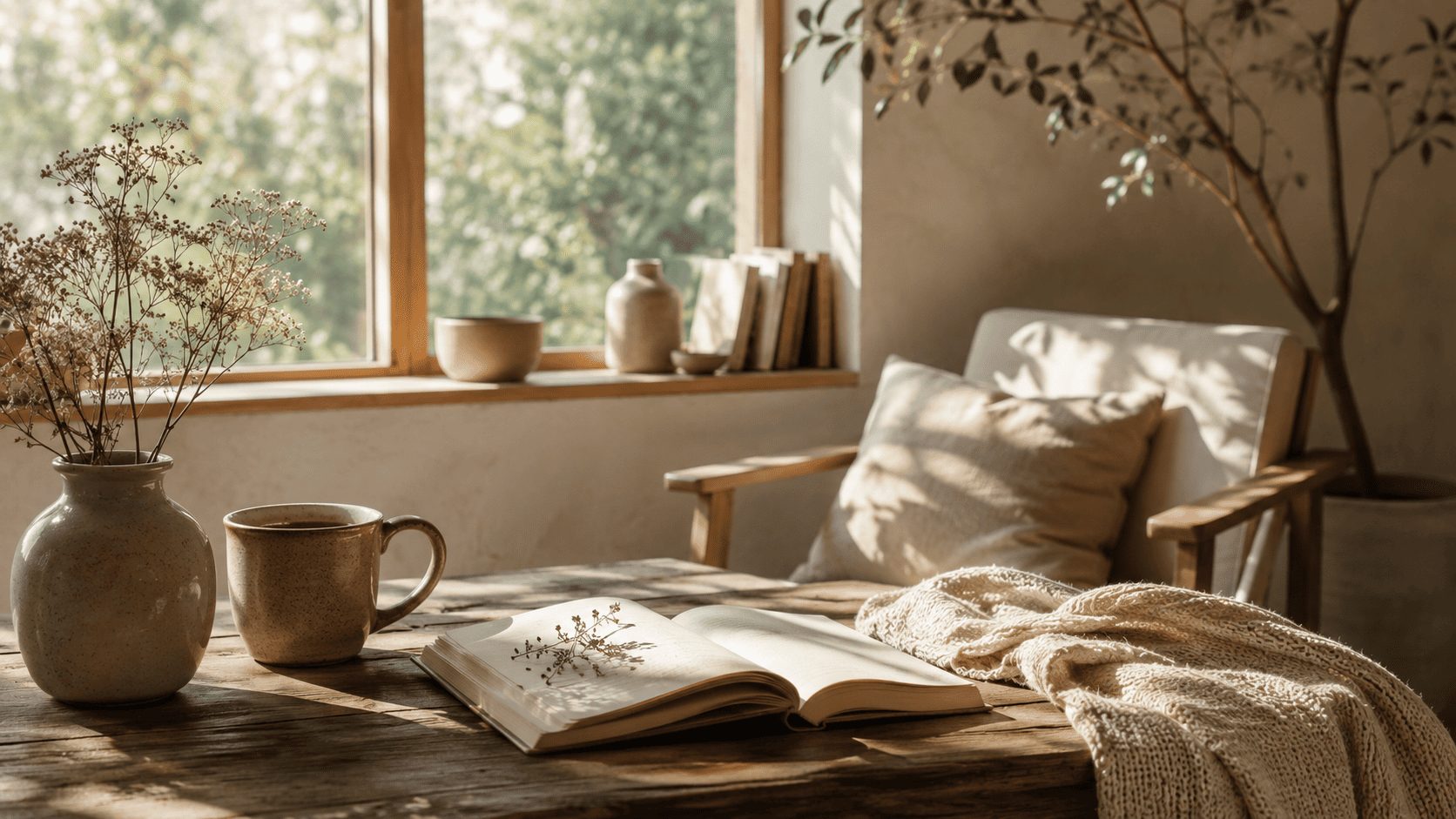
In a world filled with constant notifications, busy schedules, and the pressure to always be productive, the slow living aesthetic offers a refreshing alternative. It is about creating a lifestyle that feels calmer, more intentional, and connected to the simple pleasures of everyday life.
From cozy morning routines and natural home decor to mindful meals and quiet evenings, slow living is more than an aesthetic trend. It represents a conscious choice to appreciate the present moment and make space for what truly matters.
Table of Contents
- What Is the Slow Living Aesthetic?
- Why Is Slow Living Becoming Popular?
- How to Create a Slow Living Aesthetic at Home
- Slow Living Aesthetic Morning Routine
- Slow Living Aesthetic Ideas for Everyday Life
- Slow Living Fashion
- Slow Living and Social Media
- Is Slow Living the Same as Being Lazy?
- How to Start a Slow Living Lifestyle
- Frequently Asked Questions About Slow Living Aesthetic
What Is the Slow Living Aesthetic?
The slow living aesthetic is a lifestyle and visual style inspired by simplicity, mindfulness, nature, and intentional living. Instead of rushing from one task to another, slow living encourages people to enjoy everyday experiences at a more relaxed pace.
Visually, the aesthetic often features:
- Warm, neutral colors
- Natural materials such as wood, linen, cotton, and stone
- Soft natural lighting
- Plants and fresh flowers
- Cozy and uncluttered spaces
- Handmade and vintage objects
- Simple home-cooked meals
- Books, journals, candles, and ceramics
- Outdoor walks and time spent in nature
However, slow living isn't simply about making your home look cozy. At its heart, it is about living intentionally rather than constantly chasing the next thing.
Why Is Slow Living Becoming Popular?
Modern life can make it difficult to slow down. Social media, demanding work schedules, and an endless stream of information can create a feeling that we always need to be doing more.
The slow living movement encourages a different mindset.
Instead of asking, “How much can I accomplish today?” slow living encourages questions such as:
What makes me feel present? What do I genuinely enjoy? What deserves my time and attention?
This approach has made slow living particularly appealing to people who want to create calmer routines and more meaningful everyday experiences.
How to Create a Slow Living Aesthetic at Home
You don't need to completely redesign your home to embrace the slow living aesthetic. Small changes can make a noticeable difference.
1. Choose Natural Materials
Natural materials instantly create a warm and grounded atmosphere. Consider adding wooden furniture, linen curtains, cotton bedding, woven baskets, ceramic dishes, or stone accessories.
These materials can make a space feel less artificial and more connected to nature.
2. Keep Your Space Simple
Slow living and minimalism often overlap, although they aren't exactly the same.
Rather than removing everything from your home, focus on keeping items that are useful, meaningful, or beautiful to you. A less cluttered environment can make it easier to relax and appreciate your surroundings.
3. Use Soft, Natural Lighting
Lighting has a major impact on the atmosphere of a room. During the day, make use of natural sunlight whenever possible.
In the evening, choose warm lamps, candles, or soft ambient lighting instead of relying entirely on bright overhead lights.
4. Bring Nature Indoors
Plants, flowers, branches, and natural textures are common elements of the slow living aesthetic.
You don't need an elaborate indoor garden. A small vase of seasonal flowers or a simple houseplant can add a natural touch to your space.
5. Create a Cozy Reading Corner
A comfortable chair, soft blanket, small side table, and a stack of favorite books can create the perfect slow-living corner.
The goal isn't to create a picture-perfect space. It is to have an area where you can sit without feeling the need to multitask.
Slow Living Aesthetic Morning Routine
A slow morning doesn't necessarily mean waking up extremely early. It means starting your day without immediately allowing outside demands to take over your attention.
A simple slow-living morning could include:
- Waking up without immediately checking social media.
- Opening the curtains and letting in natural light.
- Drinking water or preparing a warm beverage.
- Making a simple breakfast.
- Journaling or reading for a few minutes.
- Spending a little time stretching or walking.
- Getting ready without rushing.
The important thing is to create a transition between sleep and the demands of the day.
Slow Living Aesthetic Ideas for Everyday Life
You can incorporate slow living into almost any part of your routine.
Try cooking a meal instead of ordering food, taking a walk without listening to anything, writing a handwritten note, visiting a local market, growing herbs, reading a physical book, or enjoying your morning coffee without scrolling through your phone.
Other simple ideas include:
- Having a technology-free evening
- Eating meals at the table
- Buying fewer but better-quality items
- Spending time outdoors
- Learning a creative hobby
- Baking bread or cooking from scratch
- Keeping a gratitude journal
- Listening to music without multitasking
- Taking care of plants
- Watching the sunset
- Enjoying a quiet cup of tea
These activities may seem ordinary, but that is exactly what makes them meaningful within the slow living philosophy.
Slow Living Fashion
The slow living aesthetic can also influence the way you dress.
Instead of constantly following fast-changing trends, slow living fashion emphasizes comfortable, timeless, and versatile clothing.
Think of natural fabrics, relaxed silhouettes, neutral colors, simple accessories, and pieces that can be worn for years.
A slow-living wardrobe might include linen shirts, cotton dresses, knit sweaters, relaxed trousers, comfortable sandals, denim, and classic outerwear.
The emphasis is less on having more clothes and more on choosing clothing that fits your lifestyle and personal style.
Slow Living and Social Media
Interestingly, social media has played a major role in popularizing the slow living aesthetic. Platforms such as Pinterest, Instagram, and TikTok are filled with images of cozy homes, countryside mornings, homemade meals, books, flowers, and peaceful routines.
But there is an important distinction between looking like you live slowly and actually living slowly.
You don't need to photograph your morning coffee, buy expensive home decor, or create a perfectly styled kitchen to practice slow living.
Slow living is not a performance.
If social media makes you feel pressured to create a “perfect” lifestyle, consider stepping away from the screen and simply enjoying the experience itself.
Is Slow Living the Same as Being Lazy?
No. Slow living is not about avoiding responsibilities or refusing to work.
Instead, it is about being more intentional with your time and energy.
A person practicing slow living can have ambitious goals, a demanding career, and a busy schedule. The difference is that they may consciously create boundaries and make room for rest, relationships, hobbies, and experiences outside of productivity.
Slow living isn't about doing nothing. It's about doing things with greater intention.
How to Start a Slow Living Lifestyle
You don't need to change your entire life overnight.
Start with one small habit.
For example, spend the first 15 minutes of your morning without your phone. Prepare dinner at home once a week. Take a walk after work. Read before bed instead of scrolling. Declutter one small area of your home.
Once one habit becomes comfortable, introduce another.
The goal is not perfection. The goal is to gradually create a lifestyle that feels more aligned with your values.
Frequently Asked Questions About Slow Living Aesthetic
What does slow living aesthetic mean?
The slow living aesthetic combines a calm visual style with the philosophy of intentional living. It often includes natural textures, warm colors, cozy spaces, simple routines, and an appreciation for everyday experiences.
How can I make my room look slow living?
Use natural materials, warm lighting, neutral colors, plants, simple furniture, soft textiles, books, ceramics, and meaningful personal objects. Avoid excessive clutter and focus on creating a comfortable environment.
What colors are associated with slow living?
Earthy and muted colors are commonly associated with the aesthetic. Beige, cream, warm white, terracotta, olive green, brown, soft gray, and other natural shades work particularly well.
Is slow living expensive?
It doesn't have to be. In fact, slow living can encourage buying less and appreciating what you already have. Reading, walking, cooking, gardening, journaling, and spending time with loved ones can all be inexpensive ways to embrace the lifestyle.
The slow living aesthetic is ultimately about more than cozy interiors and beautiful photographs. It is an invitation to pay attention to ordinary moments and create a life that isn't constantly driven by speed and productivity.
You don't need a countryside cottage, an expensive wardrobe, or a perfectly decorated home to live slowly.
Start where you are. Put your phone away for a few minutes. Make your favorite meal. Open a window. Take a walk. Read a book. Sit quietly with your morning coffee.
Sometimes, living well simply means giving yourself permission to slow down and notice the life you're already living.

References