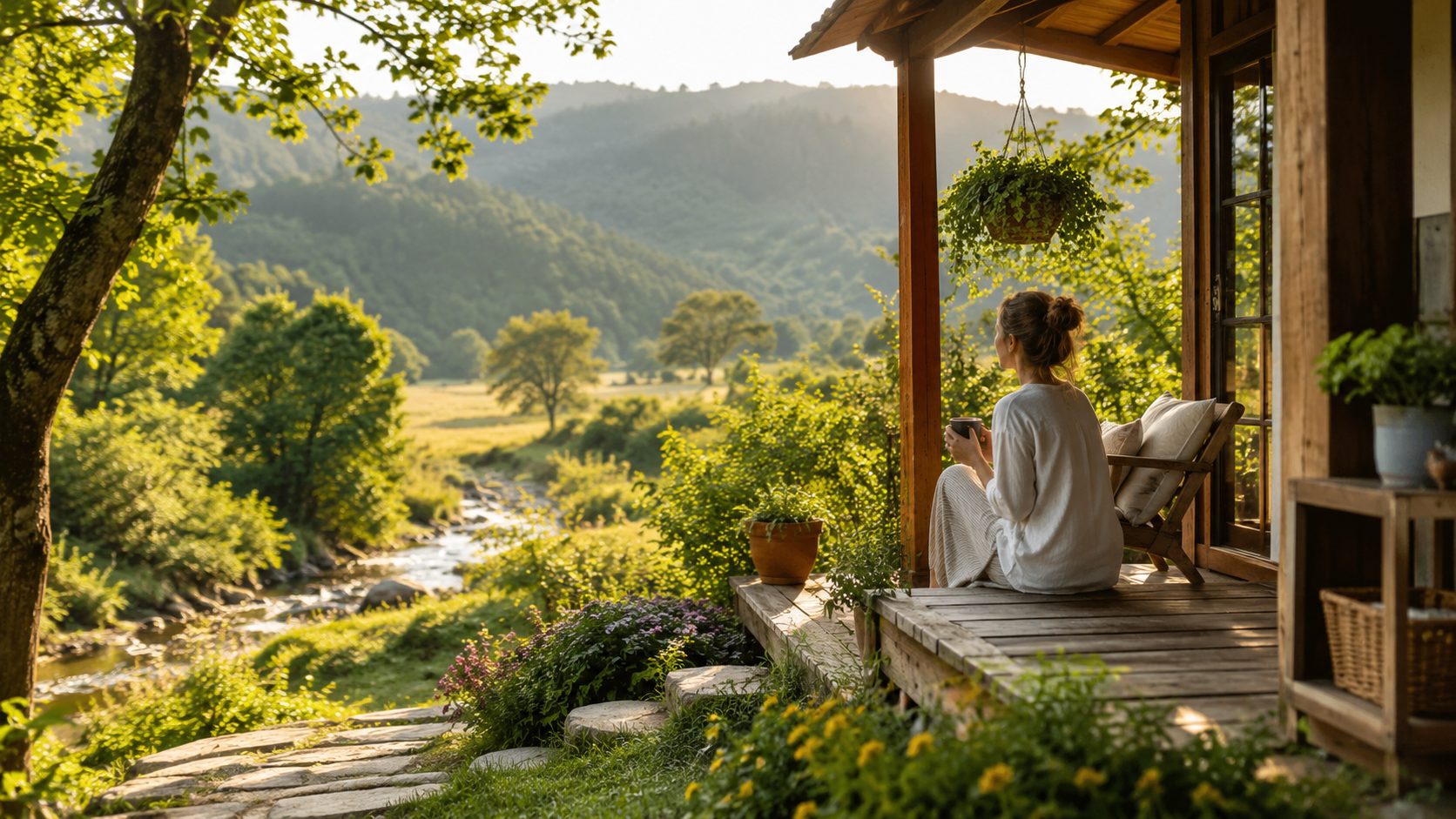
In today's hyper-connected world, many people are searching for ways to escape the pressures of modern life. Endless notifications, demanding work schedules, rising living costs, and constant digital stimulation have created a culture of stress and burnout. As a result, more individuals are embracing a lifestyle centered on simplicity, mindfulness, and intentional living.
The growing fascination with simple living is not just a trend. It represents a deeper desire for balance, fulfillment, and peace of mind. People are increasingly choosing quality over quantity and meaningful experiences over material possessions. This shift explains why people are romanticizing simple living now more than ever.
Table of Contents
What Does Simple Living Mean?
Simple living is a lifestyle that focuses on reducing unnecessary distractions and prioritizing what truly matters. Rather than chasing endless consumption and productivity, individuals seek a life that aligns with their values and personal goals.
Simple living often includes:
- Owning fewer possessions
- Reducing clutter and waste
- Spending more time with family and friends
- Limiting digital distractions
- Living within financial means
- Practicing mindfulness and gratitude
The goal is not deprivation but creating space for a more meaningful and satisfying life.
The Growing Problem of Modern Burnout
One major reason people are romanticizing simple living is the increasing prevalence of burnout. Many individuals feel overwhelmed by the expectations of modern society. Long work hours, social media pressure, and the constant need to stay productive can lead to emotional exhaustion.
Simple living offers an alternative approach. It encourages slowing down, setting boundaries, and focusing on personal well-being rather than constant achievement. For many, this lifestyle provides relief from the overwhelming demands of contemporary life.
Social Media's Role in Popularizing Simple Living
While social media often contributes to stress and comparison, it has also played a significant role in promoting simple living. Popular content creators share images and videos of cozy homes, peaceful gardens, homemade meals, and slow-paced routines.
These visuals often highlight:
- Cottagecore aesthetics
- Minimalist interiors
- Sustainable lifestyles
- Homemade crafts and cooking
- Nature-based living
Such content resonates with audiences seeking calm and authenticity in an increasingly chaotic world.
The Shift Away from Consumerism
For decades, society has linked success and happiness with material wealth and possessions. However, many people are beginning to question whether buying more actually leads to lasting fulfillment.
Simple living challenges consumer culture by encouraging intentional spending and conscious consumption. Instead of accumulating unnecessary items, people focus on purchasing products that genuinely add value to their lives.
This shift helps individuals save money, reduce clutter, and develop a healthier relationship with material possessions.
A Desire for Better Mental Health
Mental health awareness has grown significantly in recent years. People are becoming more aware of the impact that stress, anxiety, and digital overload can have on overall well-being.
Simple living supports mental health by encouraging:
Reduced Digital Dependence
Limiting screen time allows individuals to be more present and focused in daily life.
More Mindful Habits
Activities such as reading, journaling, meditation, and spending time outdoors help reduce stress and improve emotional well-being.
Improved Work-Life Balance
Many people are choosing careers and lifestyles that allow for greater flexibility, personal time, and reduced stress.
Financial Benefits of Living Simply
Economic uncertainty and rising costs have motivated many people to embrace a simpler lifestyle. Living simply often means spending less, avoiding unnecessary debt, and making smarter financial decisions.
Benefits include:
- Lower monthly expenses
- Increased savings
- Reduced financial stress
- Greater financial freedom
- More intentional purchasing habits
For many households, simple living provides a practical solution to economic challenges.
Reconnecting with Nature
Modern lifestyles often keep people indoors and attached to screens. As a result, many individuals are seeking opportunities to reconnect with nature.
Simple living frequently involves activities such as:
- Gardening
- Walking in parks
- Hiking
- Growing food at home
- Spending time outdoors
These experiences promote relaxation, improve mental health, and foster a deeper appreciation for the natural world.
The Rise of Minimalism and Intentional Living
Minimalism has become closely associated with simple living. The philosophy encourages people to remove excess and focus on what truly matters.
Intentional living involves asking important questions:
- Does this purchase serve a purpose?
- Is this commitment aligned with my values?
- Am I spending my time wisely?
By making conscious decisions, individuals gain greater control over their lives and priorities.
Sustainability and Environmental Awareness
Environmental concerns have also contributed to the popularity of simple living. Many people recognize that excessive consumption can negatively impact the planet.
Simple living often supports sustainability through:
- Reducing waste
- Reusing products
- Supporting local businesses
- Buying quality items that last longer
- Consuming fewer resources
This environmentally responsible approach aligns with the values of many modern consumers.
Why Simple Living Feels So Appealing Today
The romanticization of simple living reflects a broader cultural shift. People are increasingly valuing experiences, well-being, and personal fulfillment over status and material accumulation.
Simple living offers:
- Less stress
- More freedom
- Better mental health
- Stronger relationships
- Financial stability
- Greater life satisfaction
In a world filled with distractions and pressures, simplicity provides a sense of control and purpose.
Conclusion
The reason people are romanticizing simple living is clear. Modern life often feels overwhelming, fast-paced, and disconnected from what truly matters. By embracing simplicity, individuals can create more meaningful, balanced, and fulfilling lives.
Whether through minimalism, mindful living, financial freedom, or a stronger connection with nature, simple living offers a pathway to greater happiness and well-being. As more people seek authenticity and peace in their daily lives, the appeal of simple living will continue to grow.

References