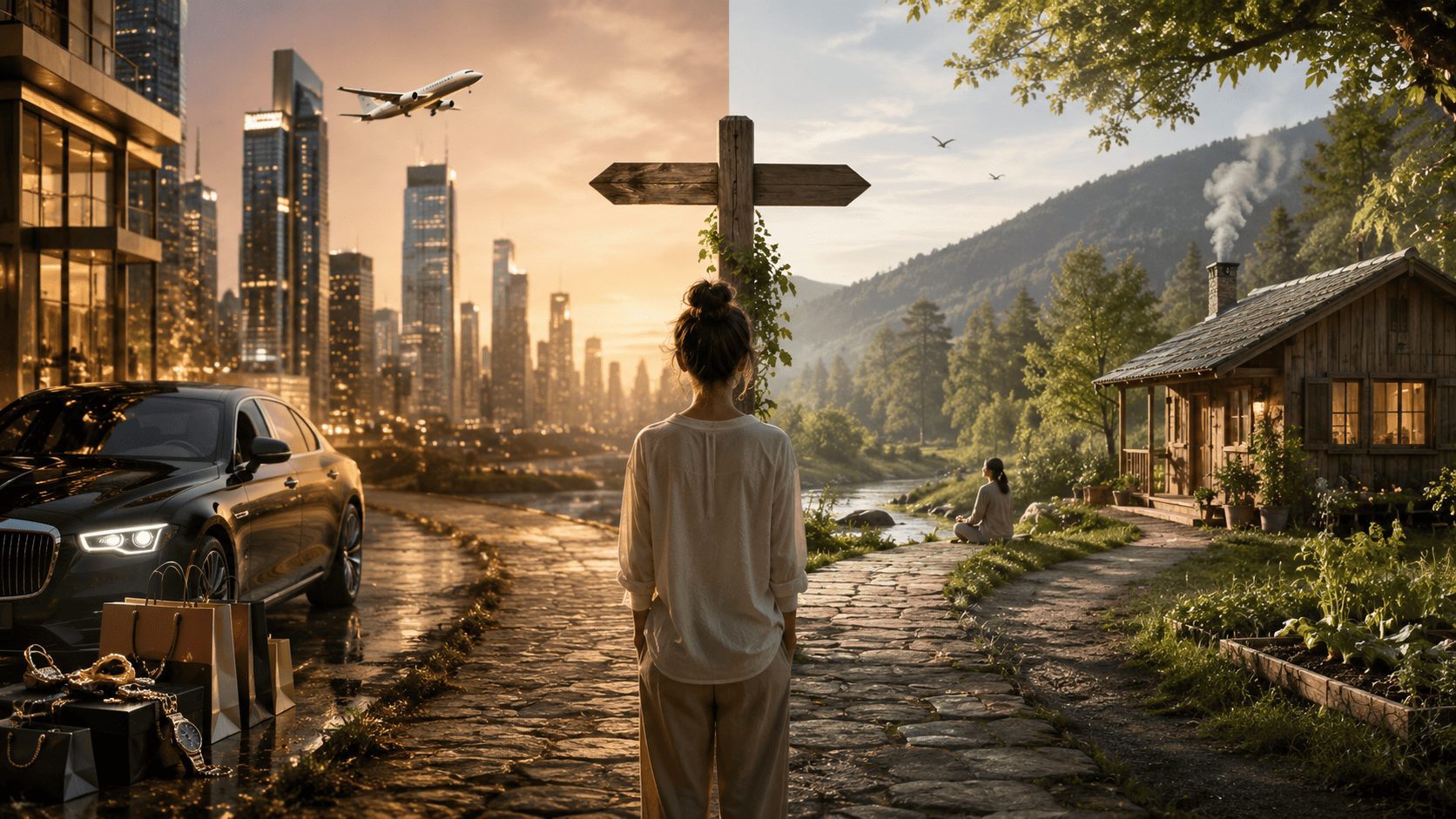
In recent years, a noticeable shift has taken place in how people define success and happiness. While luxury lifestyles once symbolized achievement, many individuals are now embracing a simpler way of living. The focus is moving away from owning more and toward living with greater purpose, balance, and peace of mind.
In 2026, simple living has become one of the fastest-growing lifestyle trends worldwide. People are realizing that happiness is often found in meaningful experiences, healthy relationships, and personal well-being rather than material possessions.
The simple living movement encourages individuals to reduce unnecessary stress, prioritize what truly matters, and create a lifestyle that supports long-term happiness.
Table of Contents
What Is Simple Living?
Simple living is a lifestyle approach that focuses on reducing unnecessary complexity and making intentional choices. It does not mean giving up comfort or ambition. Instead, it means focusing on quality rather than quantity.
Simple living often includes:
- Mindful spending
- Decluttering possessions
- Prioritizing experiences
- Maintaining healthy routines
- Spending more time with loved ones
The goal is to create a life that feels fulfilling without the pressure of constantly wanting more.
Why Luxury Is Losing Its Appeal
Many people are beginning to question whether luxury possessions truly provide lasting happiness. Expensive items may offer temporary satisfaction, but they often come with financial pressure and ongoing maintenance.
Common reasons people are moving away from luxury-focused lifestyles include:
- Rising living costs
- Increased financial awareness
- Desire for less stress
- Focus on mental wellness
- Preference for meaningful experiences
As a result, more individuals are choosing simplicity over excess.
The Connection Between Simplicity and Mental Health
A simpler lifestyle can have a positive effect on mental well-being. Constantly chasing material goals may create stress, comparison, and feelings of dissatisfaction.
Simple living promotes:
- Reduced mental clutter
- Better focus
- Lower stress levels
- Improved emotional balance
Many people report feeling calmer and more content after simplifying various areas of their lives.
This connection between simplicity and mental wellness is one reason the trend continues to grow.
Financial Freedom Through Simple Living
One of the biggest advantages of simple living is improved financial stability. By focusing on needs rather than unnecessary wants, people often gain greater control over their finances.
Benefits may include:
- Reduced debt
- Increased savings
- Better spending habits
- Greater financial security
Financial freedom allows individuals to spend more time pursuing personal goals and less time worrying about money.
Many people view simple living as a practical path toward long-term financial wellness.
Why Experiences Matter More Than Possessions
Modern consumers increasingly value experiences over material goods. Travel, learning new skills, spending time with family, and enjoying hobbies often create lasting memories that possessions cannot provide.
Experiences can:
- Strengthen relationships
- Improve happiness
- Encourage personal growth
- Create meaningful memories
As people seek deeper fulfillment, experiences are becoming more important than luxury purchases.
The Role of Minimalism in Modern Living
Minimalism has influenced the simple living movement by encouraging people to own only what adds value to their lives.
Minimalist habits include:
- Decluttering regularly
- Buying intentionally
- Reducing unnecessary consumption
- Organizing living spaces
A clutter-free environment often creates a greater sense of peace and productivity.
Many individuals find that owning less helps them focus more on what truly matters.
Technology and the Shift Toward Simplicity
While technology offers many benefits, excessive digital consumption can contribute to stress and distraction.
People are increasingly adopting:
- Digital detox routines
- Screen-free hours
- Mindful technology use
- Balanced online habits
Simple living encourages using technology as a tool rather than allowing it to dominate daily life.
This balance supports both productivity and mental wellness.
Building a More Meaningful Lifestyle
Simple living is ultimately about creating a lifestyle that aligns with personal values and priorities.
Many people focus on:
- Health and wellness
- Strong relationships
- Personal development
- Community involvement
- Work-life balance
Rather than chasing status symbols, they invest time and energy into areas that bring genuine satisfaction.
Common Mistakes to Avoid
- Assuming simple living means giving up all comforts
- Trying to simplify everything at once
- Comparing your lifestyle to others
- Focusing only on saving money
- Ignoring personal goals and ambitions
Simple living should support your happiness and well-being, not create additional pressure.
The growing popularity of simple living reflects a broader desire for balance, freedom, and meaningful experiences. As people move away from the idea that luxury equals success, they are discovering the benefits of a more intentional lifestyle.
By focusing on mental wellness, financial freedom, meaningful relationships, and personal fulfillment, simple living offers a practical path toward long-term happiness. In 2026, it is clear that many people are choosing simplicity not because they have less, but because they want more of what truly matters.

References