In brief
Our diet is one of the most powerful tools for health. Surprisingly, many people ignore foods and treatments that could prevent or treat serious illnesses. This phenomenon is called the “Tomato Effect.” The term comes from the history of tomatoes. For centuries,…
Our diet is one of the most powerful tools for health. Surprisingly, many people ignore foods and treatments that could prevent or treat serious illnesses. This phenomenon is called the “Tomato Effect.”
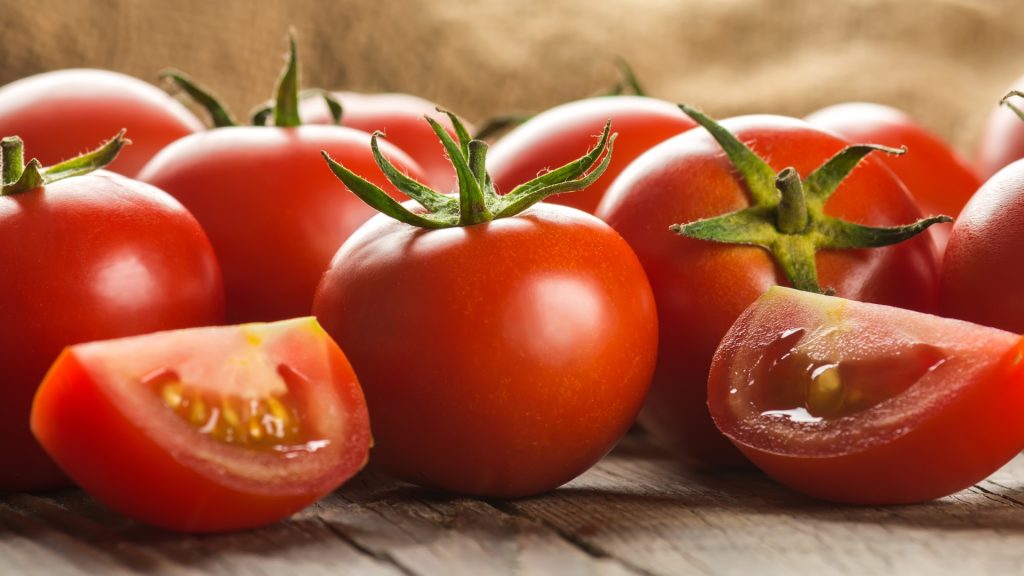
The term comes from the history of tomatoes. For centuries, some cultures avoided tomatoes, believing they were harmful or even poisonous. In reality, tomatoes are rich in vitamins, minerals, antioxidants, and lycopene. Research shows that tomatoes support heart health, fight inflammation, and may lower the risk of certain cancers. Ignoring such a simple and effective food perfectly illustrates the Tomato Effect.
Table of Contents
Why the Tomato Effect Happens Today
Even today, people often ignore dietary solutions despite strong scientific evidence. They focus solely on medication while overlooking simple lifestyle changes that can improve their health. This effect appears with other foods and natural remedies, not just tomatoes.
The Role of Diet in Disease Prevention
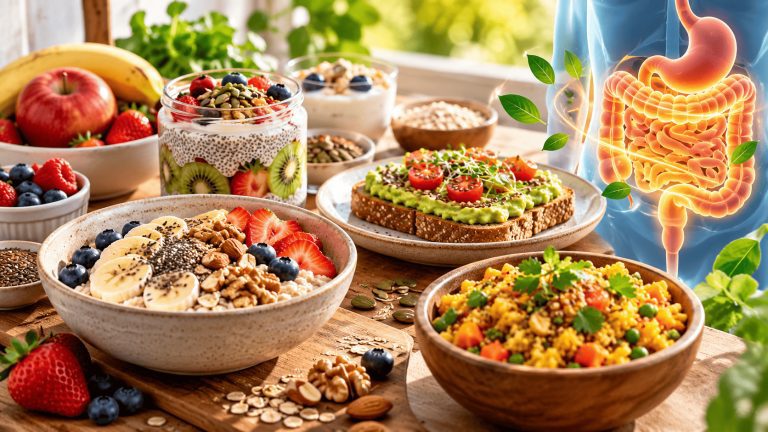
Eating a healthy, balanced diet helps prevent chronic diseases. Fruits, vegetables, whole grains, nuts, and lean proteins strengthen the immune system, support metabolism, and reduce the risk of diabetes, heart disease, and obesity. Choosing nutrient-rich foods every day can dramatically improve overall health.
Diet as Part of Treatment
Nutrition does more than prevent disease; it also helps treat it. Foods rich in antioxidants and anti-inflammatory compounds enhance recovery, support the immune system, and reduce side effects of medication. Patients who follow a balanced diet often experience faster healing and better outcomes compared to those who ignore nutrition.
Adopting a Holistic Approach
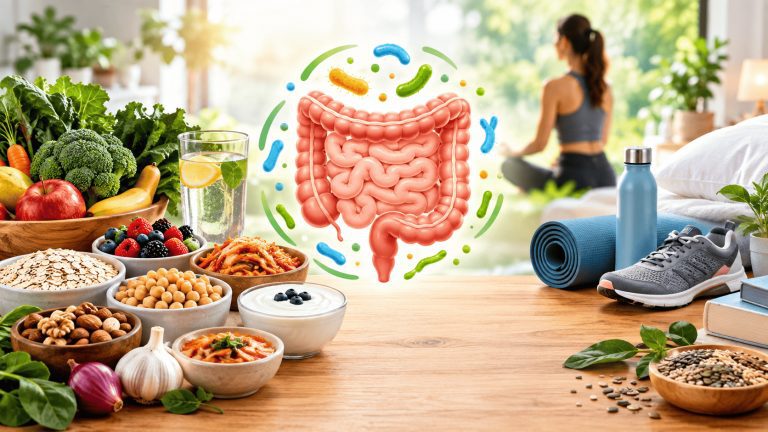
Health requires more than medicine alone. Combining medical treatment with proper nutrition, exercise, and stress management produces the best results. Small, consistent changes—like eating more vegetables, reducing processed foods, and staying active—can have a huge impact on recovery and long-term well-being.
Breaking Myths and Raising Awareness
Many people avoid healthy foods because of myths or misinformation. Educating yourself about nutrition helps you make better choices. Understanding the science behind what you eat empowers you to use food as a tool for health rather than fearing it.
Practical Steps to Overcome the Tomato Effect
-
Include a variety of fruits and vegetables in every meal.
-
Choose whole, unprocessed foods over packaged options.
-
Drink plenty of water and maintain hydration.
-
Consult nutrition experts for personalized guidance.
-
Stay updated on scientific research about diet and wellness.
The Tomato Effect reminds us that sometimes the simplest solutions are the most effective. By embracing a nutrient-rich diet, you can prevent disease, enhance treatment, and improve overall quality of life. Food is more than fuel—it is medicine, recovery, and long-term wellness. Start making conscious, informed choices today and harness the power of your plate to stay healthy.

Make this guide useful
How to put The Tomato Effect: The Role of Diet in Treating Disease into practice
Use this article as a focused starting point for exploring Health. Read the ideas in the context of your own routine, priorities and available resources; the most useful change is usually the one you can return to consistently.
Start with one clear intention
Before trying everything at once, decide what you want this guide to help with. Write down one small, realistic action connected to “The Tomato Effect: The Role of Diet in Treating Disease”, choose when you will try it, and notice what makes it easier or harder to continue.
Use a simple check-in
Give yourself enough time to observe rather than judge. A short note about what you tried, how it fitted into your day and what you would adjust next time can turn general advice into a routine that feels personal and sustainable.
Questions to take with you
- Which part of Health feels most relevant to my current routine?
- What is the smallest version of this idea I could try this week?
- What would help me keep the change practical, enjoyable and consistent?
Wellness information is for general education and is not a substitute for personalised medical advice. If you have symptoms, a diagnosis, take medication, are pregnant or have a health concern, speak with a qualified healthcare professional before making significant changes.
Further reading