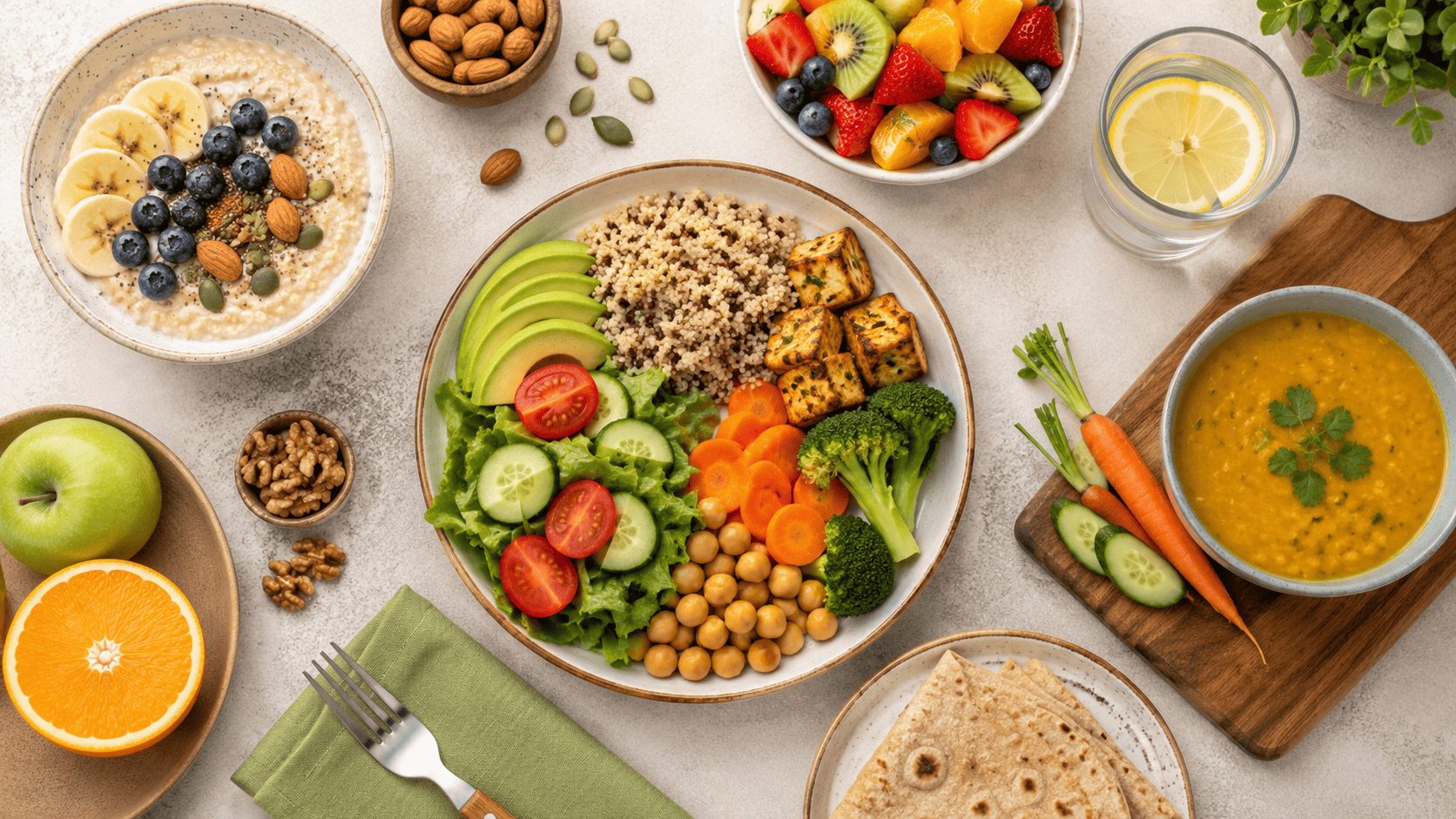
Eating natural foods every day is one of the easiest ways to improve your overall health. A diet based on whole, minimally processed foods provides essential nutrients, supports digestion, boosts energy, and helps maintain a healthy weight. If you're wondering what eat in a day (natural foods) looks like, this guide offers a simple, balanced meal plan that you can adapt to your lifestyle.
Natural foods are rich in vitamins, minerals, fiber, healthy fats, and protein. Unlike heavily processed foods, they contain fewer artificial ingredients and preservatives, making them a healthier choice for long-term wellness.
Table of Contents
Why Choose Natural Foods?
Natural foods are foods that are either unprocessed or minimally processed. They retain most of their original nutrients and provide your body with the fuel it needs to function efficiently.
Benefits of Eating Natural Foods
- Supports heart health
- Improves digestion
- Increases daily energy
- Strengthens the immune system
- Helps maintain a healthy weight
- Promotes healthy skin and hair
- Reduces intake of added sugars and preservatives
By making natural foods the foundation of your diet, you can enjoy balanced nutrition without relying on restrictive eating plans.
Breakfast: Oatmeal with Fresh Fruits
A healthy breakfast provides energy for the day ahead.
What I Eat
- Rolled oats
- Banana slices
- Blueberries or strawberries
- Almonds
- Walnuts
- Chia seeds
- Low-fat milk or unsweetened almond milk
Health Benefits
Oats are rich in soluble fiber, which supports heart health and keeps you full longer. Fresh fruits provide natural sweetness, antioxidants, and vitamins, while nuts and seeds offer healthy fats and protein.
Mid-Morning Snack
Instead of processed snacks, choose fresh seasonal fruits.
Healthy Options
- Apple
- Orange
- Pear
- Papaya
- Watermelon
- Grapes
These fruits provide hydration, natural sugars, fiber, and essential vitamins to keep your energy levels steady.
Lunch: Whole Grains, Vegetables, and Protein
Lunch should be balanced and satisfying.
My Lunch Plate
- Brown rice or quinoa
- Lentil curry (dal)
- Mixed vegetables
- Cucumber salad
- Tomatoes
- Carrots
- Lemon wedges
You can also replace rice with whole wheat chapati or millet for variety.
Nutritional Benefits
This meal contains:
- Complex carbohydrates
- Plant-based protein
- Dietary fiber
- Iron
- Potassium
- Vitamin C
A balanced lunch helps prevent afternoon fatigue while supporting muscle recovery and digestion.
Afternoon Snack
Healthy snacks keep hunger under control between meals.
My Favorite Choices
- Mixed nuts
- Roasted chickpeas
- Pumpkin seeds
- Green tea
- Coconut water
These nutrient-rich foods provide healthy fats, protein, and minerals without added sugar.
Dinner: Light and Nutritious
Dinner is usually lighter than lunch to support better digestion before bedtime.
What I Eat
- Steamed broccoli
- Bell peppers
- Spinach
- Sweet potato
- Grilled chicken or baked fish
Vegetarian alternatives include:
- Tofu
- Chickpeas
- Lentils
- Paneer (in moderation)
Why It Works
A light dinner provides enough protein and nutrients while avoiding excessive calories late in the day.
Healthy Evening Drink
Before bedtime, I prefer natural beverages such as:
- Warm turmeric milk
- Chamomile tea
- Warm lemon water
These drinks promote relaxation and help maintain hydration.
Foods I Avoid
To maintain a natural diet, I limit foods that contain excessive sugar, unhealthy fats, and artificial ingredients.
Foods to Avoid
- Sugary soft drinks
- Deep-fried fast food
- Processed snacks
- Refined sugar
- Artificial sweeteners
- Processed meats
Replacing these foods with whole-food alternatives supports better long-term health.
Tips for Following a Natural Foods Diet
Building healthy eating habits doesn't have to be difficult. Here are a few practical tips:
- Fill half your plate with vegetables.
- Choose whole grains instead of refined grains.
- Eat fresh fruits every day.
- Include lean protein in every meal.
- Drink enough water throughout the day.
- Cook meals at home whenever possible.
- Read food labels and avoid unnecessary additives.
Small, consistent changes can make a significant difference over time.
Sample Natural Foods Meal Plan
| Time | Meal |
|---|---|
| 7:30 AM | Oatmeal with fruits and nuts |
| 10:30 AM | Fresh fruit |
| 1:00 PM | Brown rice, lentils, vegetables, salad |
| 4:00 PM | Mixed nuts and green tea |
| 7:00 PM | Grilled vegetables with lean protein |
| 9:00 PM | Herbal tea or turmeric milk |
Frequently Asked Questions
What are natural foods?
Natural foods are whole or minimally processed foods that contain few or no artificial ingredients. Examples include fruits, vegetables, whole grains, legumes, nuts, seeds, eggs, fish, and lean meats.
Can eating natural foods help with weight loss?
Yes. Natural foods are generally higher in fiber and nutrients while being lower in added sugars and unhealthy fats, making them more filling and supportive of healthy weight management.
Is a natural foods diet expensive?
Not necessarily. Buying seasonal fruits, vegetables, beans, lentils, oats, and whole grains can make a healthy diet affordable.
Can vegetarians follow this meal plan?
Absolutely. Plant-based proteins such as lentils, beans, tofu, chickpeas, and paneer can easily replace meat or fish.
Following a What Eat in a Day (Natural Foods) routine is a simple and effective way to improve your overall health. By choosing whole grains, fresh fruits, vegetables, lean proteins, and healthy fats, you provide your body with the nutrients it needs to thrive. Consistency is more important than perfection, so focus on making small, sustainable changes that support a healthier lifestyle.

References