In brief
Mint brings a clean, bright flavour to everyday cooking. Whether you grow it in a pot, buy a bunch from the market or use dried leaves from the pantry, it is an easy way to add freshness without depending on extra sugar…
Mint brings a clean, bright flavour to everyday cooking. Whether you grow it in a pot, buy a bunch from the market or use dried leaves from the pantry, it is an easy way to add freshness without depending on extra sugar or salt. This guide focuses on practical kitchen uses and sensible handling rather than treating mint as a cure.
Get to know the flavour
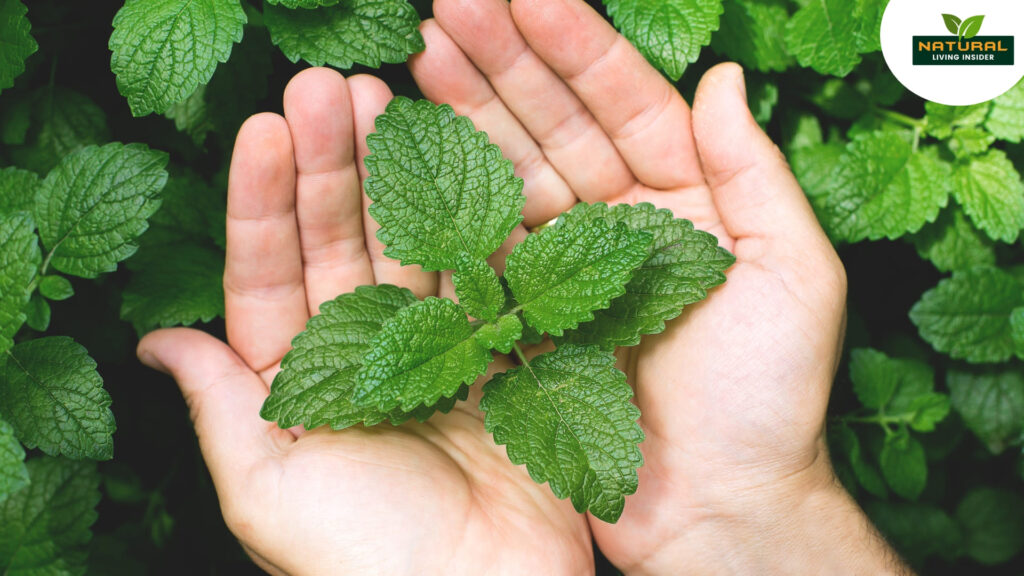
Spearmint and peppermint are the varieties most people recognise. Spearmint is usually softer and sweeter, while peppermint has a stronger cooling taste. Fresh leaves work well when added near the end of cooking; prolonged heat can dull their aroma. Dried mint is more concentrated, so start with a small amount and adjust.
Easy ways to use fresh mint
- Tear leaves into cucumber, tomato or fruit salads.
- Blend a few leaves into yoghurt dips, chutneys or dressings.
- Add mint to lentil dishes, pea soups or grain salads.
- Use it with lemon or lime in plain water for a flavourful drink.
- Scatter it over roasted vegetables, rice dishes or grilled foods just before serving.
Growing and storing mint
Mint can spread quickly in a garden, so many people prefer a container. Give it regular water, harvest stems gently and remove damaged leaves. To store a bunch, trim the ends and keep it in a glass with a little water in the refrigerator, loosely covered. Wash leaves under clean running water just before use and pat them dry.
A simple mint and lemon dressing
Finely chop a small handful of mint. Mix it with lemon juice, a little olive oil, black pepper and a pinch of salt if desired. Spoon the dressing over salads, beans, roasted vegetables or whole-grain bowls. The goal is not a precise recipe but a flexible flavour base that helps vegetables and legumes feel more enjoyable.
Use care with concentrated products
Fresh culinary mint and concentrated mint essential oil are not the same thing. Essential oils are highly concentrated products and should not be treated as food or medicine unless a qualified professional has advised their use. If you have reflux, allergies, a medical condition, are pregnant or are giving products to a child, ask a qualified clinician or pharmacist before using herbal products for symptoms.
The lasting value of herbs
Small flavour changes can make a regular meal feel new. Mint is useful because it pairs easily with vegetables, beans, grains, fruit and yoghurt. Use it for taste, variety and enjoyment—and keep health decisions grounded in reliable advice rather than promises attached to one ingredient.

Make this guide useful
How to put Whispers of Mint Unveiling the Secret Essence of Nature’s Freshness into practice
Use this article as a focused starting point for exploring Health. Read the ideas in the context of your own routine, priorities and available resources; the most useful change is usually the one you can return to consistently.
Start with one clear intention
Before trying everything at once, decide what you want this guide to help with. Write down one small, realistic action connected to “Whispers of Mint Unveiling the Secret Essence of Nature’s Freshness”, choose when you will try it, and notice what makes it easier or harder to continue.
Use a simple check-in
Give yourself enough time to observe rather than judge. A short note about what you tried, how it fitted into your day and what you would adjust next time can turn general advice into a routine that feels personal and sustainable.
Questions to take with you
- Which part of Health feels most relevant to my current routine?
- What is the smallest version of this idea I could try this week?
- What would help me keep the change practical, enjoyable and consistent?
Wellness information is for general education and is not a substitute for personalised medical advice. If you have symptoms, a diagnosis, take medication, are pregnant or have a health concern, speak with a qualified healthcare professional before making significant changes.
Further reading