The beauty industry is rapidly evolving, and more people are becoming aware of what they apply to their skin. A clean beauty guide helps consumers understand how to choose skincare and cosmetic products that are safe, non-toxic, and environmentally friendly.
Clean beauty focuses on products made without harmful chemicals, synthetic toxins, or ingredients that may cause long-term health concerns. Instead, these products use safer alternatives derived from natural or responsibly sourced ingredients.
Understanding the basics of clean beauty can help you build a healthier skincare routine while protecting your skin and the environment.
Table of Contents
What Is Clean Beauty
Clean beauty refers to skincare and cosmetic products that are formulated without ingredients known or suspected to be harmful to human health. These products focus on safety, transparency, and responsible ingredient sourcing.
Unlike traditional beauty products, clean beauty brands aim to avoid harsh chemicals and prioritize ingredients that support skin health.
Clean beauty products typically focus on:
Safer ingredients
Transparent labeling
Environmentally friendly practices
Cruelty-free production
This approach helps consumers make informed decisions about their skincare products.
Why Clean Beauty Matters
Your skin absorbs many substances applied to it. Using products that contain harmful chemicals may contribute to skin irritation, allergies, or long-term health issues.
Following a clean beauty guide can help you:
Reduce exposure to harmful chemicals
Improve overall skin health
Support environmentally responsible brands
Avoid unnecessary synthetic additives
Choosing clean beauty products can lead to healthier skin and a more sustainable lifestyle.
Common Ingredients to Avoid
Many conventional skincare products contain chemicals that may cause irritation or health concerns.
Some ingredients often avoided in clean beauty include:
Parabens
Phthalates
Synthetic fragrances
Formaldehyde-releasing preservatives
Sulfates
These ingredients are commonly used to extend shelf life, enhance texture, or create fragrance but may cause unwanted effects for some people.
Ingredients Often Found in Clean Beauty Products
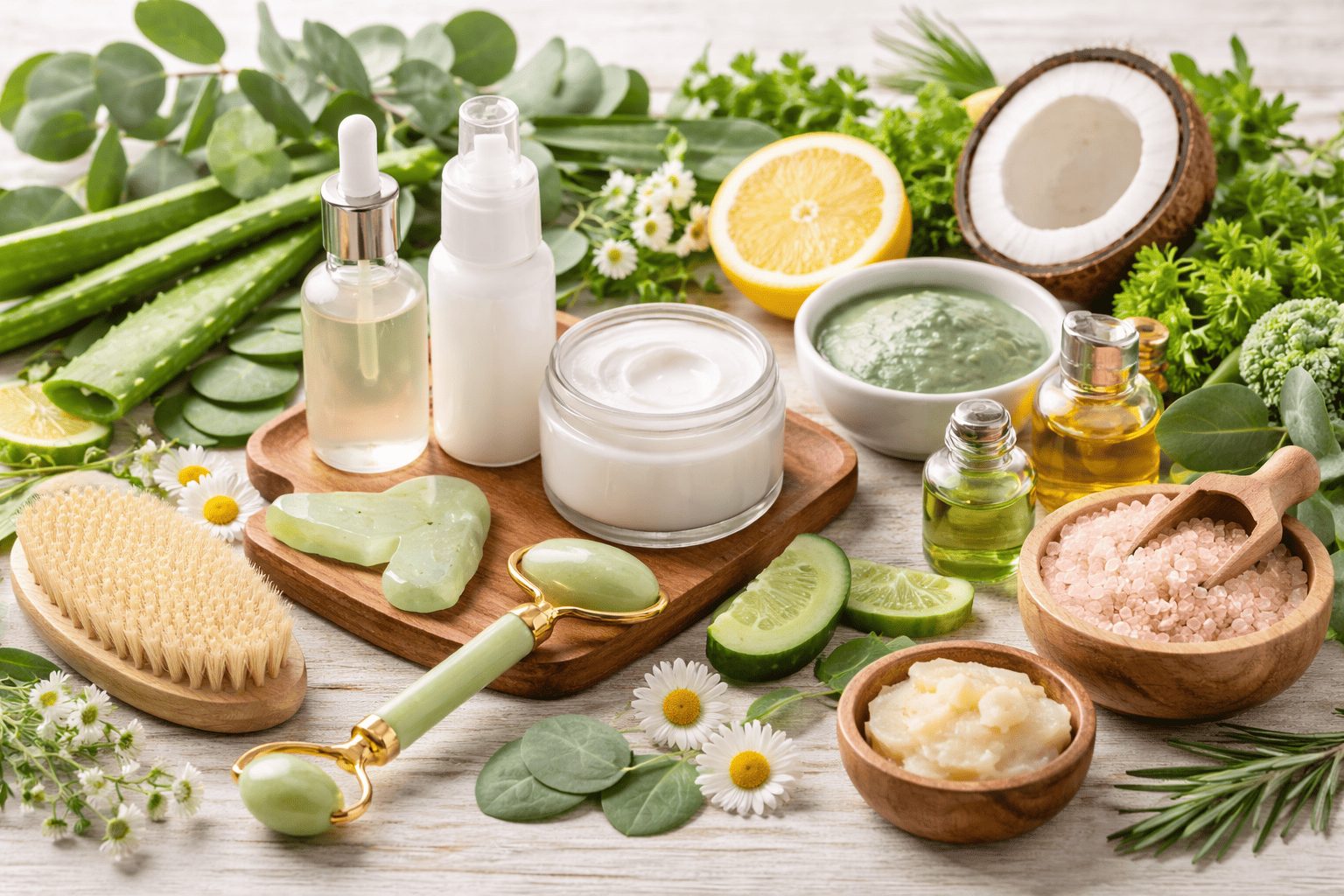
Clean beauty products often use naturally derived ingredients that nourish and protect the skin.
Common clean beauty ingredients include:
Plant oils such as jojoba and argan oil
Shea butter
Aloe vera
Green tea extract
Vitamin C and vitamin E
These ingredients provide hydration, antioxidants, and nourishment for healthy skin.
How to Build a Clean Beauty Routine
Creating a clean beauty routine does not require replacing every product at once. You can gradually switch to safer alternatives.
Start by focusing on essential products such as:
Cleanser
Moisturizer
Sunscreen
Serums
Read product labels carefully and research brands that prioritize ingredient safety and transparency.
Tips for Choosing Clean Beauty Products
Following a clean beauty guide becomes easier when you know what to look for while shopping.
Helpful tips include:
Check ingredient lists before buying products
Choose brands that disclose full ingredient information
Look for cruelty-free or organic certifications
Avoid products with unnecessary artificial additives
These simple steps can help you build a safer skincare routine.
Clean Beauty and Sustainability
Many clean beauty brands also focus on sustainability. This includes eco-friendly packaging, responsible sourcing of ingredients, and reducing environmental impact.
Choosing sustainable beauty products helps support a healthier planet while improving your personal wellness routine.
A clean beauty guide helps you make informed choices about the products you use every day. By avoiding harmful chemicals and choosing safer alternatives, you can protect your skin while supporting ethical and sustainable beauty practices.
Clean beauty is not just a trend but a movement toward healthier skincare and more transparent beauty products. With the right knowledge and careful product selection, anyone can create a clean and effective beauty routine.

References