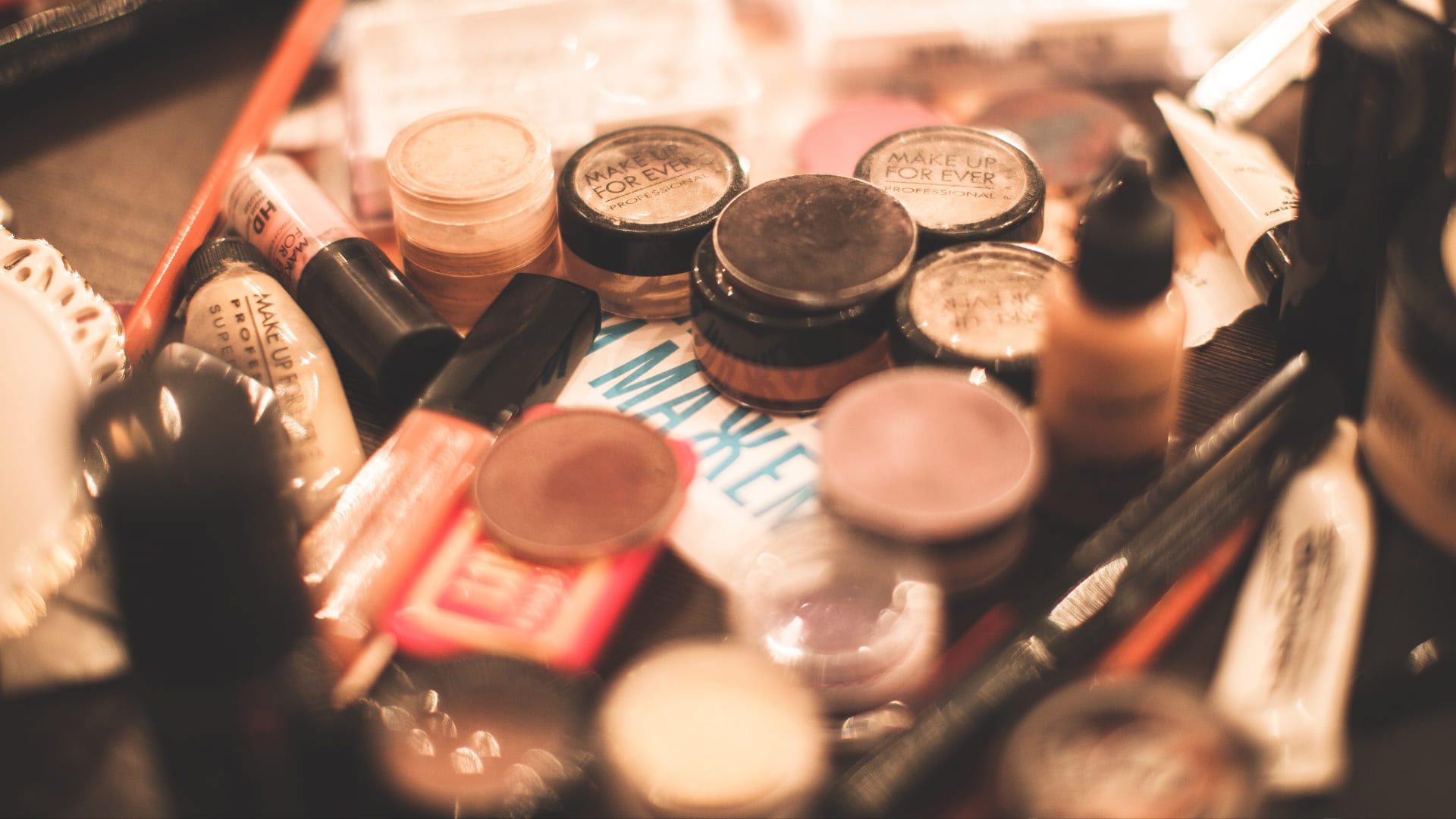
Skincare products are meant to nourish and protect your skin, but many commercial products contain chemicals that may harm your skin and overall health. Understanding toxic ingredients in skincare products is essential for making safer choices and maintaining healthy skin.
Many people assume that products sold in stores are completely safe. However, certain ingredients used in cosmetics have been linked to skin irritation, hormone disruption, and other health concerns. Learning how to identify and avoid these harmful substances can help you choose better skincare options.
This guide explains the most common toxic ingredients found in skincare products and how to replace them with safer alternatives.
Table of Contents
Why It Is Important to Avoid Toxic Ingredients in Skincare
Your skin is the largest organ of your body and absorbs many substances applied to it. When skincare products contain harsh chemicals, those ingredients may enter your body through the skin.
Long-term exposure to certain cosmetic chemicals may lead to problems such as:
- Skin irritation and allergies
- Hormonal imbalance
- Premature aging of the skin
- Environmental damage
By avoiding toxic ingredients, you can reduce potential health risks and support healthier skin.
Parabens
Parabens are preservatives used to extend the shelf life of cosmetics and skincare products. They prevent the growth of bacteria and mold.
Common types include:
- Methylparaben
- Propylparaben
- Butylparaben
The concern with parabens is that they may mimic estrogen in the body, which could disrupt hormone balance. Some research has suggested a possible connection between parabens and hormone-related health issues.
Safer alternatives include products preserved with natural ingredients or labeled as paraben-free skincare.
Sodium Lauryl Sulfate (SLS) and Sodium Laureth Sulfate (SLES)
SLS and SLES are foaming agents commonly used in cleansers, face washes, and shampoos. They create the rich lather many people associate with effective cleaning.
However, these chemicals can strip the skin of its natural oils and may cause:
- Dryness
- Irritation
- Skin sensitivity
People with sensitive skin often experience redness or itching after using products containing sulfates.
Gentle alternatives include sulfate-free cleansers made with plant-based surfactants.
Phthalates
Phthalates are chemicals often used to improve the texture and flexibility of cosmetic products. They are frequently found in fragrances, lotions, and nail products.
Phthalates may interfere with the endocrine system, which regulates hormones in the body. Because they are often hidden under the label “fragrance,” they can be difficult to identify.
Choosing fragrance-free skincare or products with natural essential oils can help reduce exposure.
Formaldehyde and Formaldehyde-Releasing Preservatives
Formaldehyde is a chemical used to prevent bacterial growth in cosmetic products. It is also known as a potential carcinogen.
Some skincare products do not list formaldehyde directly but include preservatives that release it over time, such as:
- DMDM hydantoin
- Quaternium-15
- Imidazolidinyl urea
These ingredients can cause allergic reactions and skin irritation in sensitive individuals.
Look for products labeled formaldehyde-free when selecting skincare items.
Synthetic Fragrances
Synthetic fragrance is one of the most common ingredients in cosmetics. While fragrances make products smell pleasant, they can contain dozens of undisclosed chemicals.
Many people experience problems such as:
- Skin irritation
- Headaches
- Allergic reactions
Because companies are not required to disclose the exact chemicals used in fragrance formulas, it can be difficult to know what you are applying to your skin.
Opting for fragrance-free or naturally scented products is often a safer choice.
Triclosan
Triclosan is an antibacterial agent that has been used in soaps, cleansers, and toothpaste. Although it was originally added to prevent bacterial growth, research has raised concerns about its safety.
Triclosan may contribute to hormone disruption and antibiotic resistance. Due to these concerns, it has been restricted or banned in certain products in several countries.
Using simple soap and water or natural antibacterial ingredients is a safer alternative.
How to Choose Safer Skincare Products
Avoiding toxic ingredients in skincare products starts with reading product labels carefully. While this may seem complicated at first, a few simple practices can help you make better choices.
- Check ingredient lists before purchasing products.
- Look for certifications such as organic or natural skincare labels.
- Choose products with fewer synthetic chemicals.
- Research brands that focus on clean beauty.
Over time, switching to safer products can improve your skin’s health and reduce unnecessary chemical exposure.
Understanding toxic ingredients in skincare products is an important step toward healthier skin and a safer beauty routine. Many common skincare products contain chemicals that may cause irritation, hormonal disruption, or other health concerns.
By learning to recognize ingredients such as parabens, sulfates, phthalates, formaldehyde-releasing preservatives, synthetic fragrances, and triclosan, you can make more informed decisions about the products you use every day.
Choosing clean, natural skincare alternatives can help protect both your skin and overall well-being.

References