As modern life becomes increasingly fast-paced and digitally connected, more people are searching for ways to reduce stress and create a healthier lifestyle. In response, a new wellness trend known as the Calm Living Movement is gaining popularity across the world.
The Calm Living Movement encourages individuals to slow down, focus on what truly matters, and build daily habits that support mental, emotional, and physical well-being. Instead of constantly chasing productivity and perfection, people are embracing a more balanced and peaceful approach to life.
In 2026, calm living is becoming more than just a trend. It is evolving into a lifestyle choice that promotes long-term happiness, mindfulness, and overall wellness.
Table of Contents
What Is the Calm Living Movement?
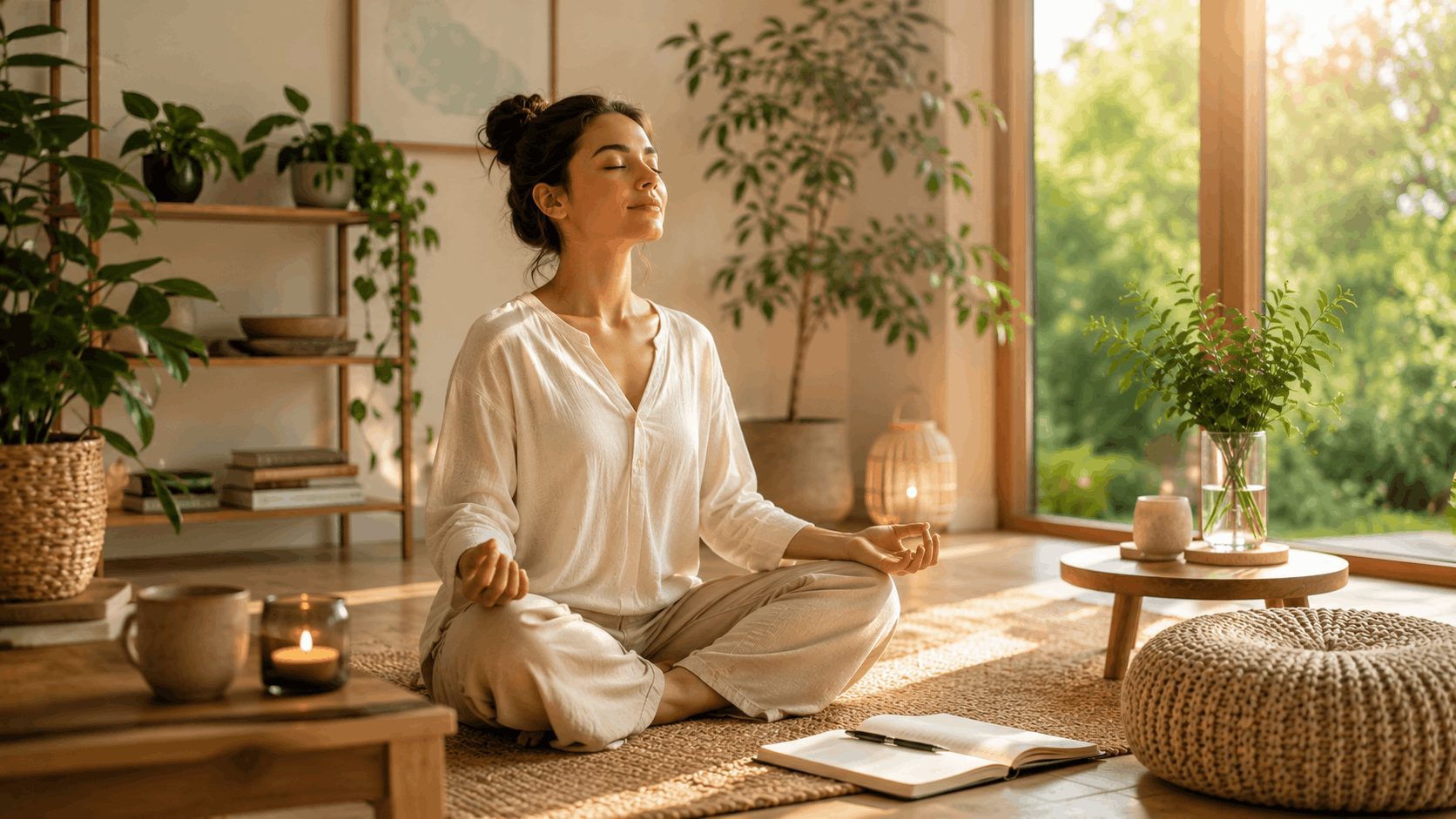
The Calm Living Movement is a lifestyle philosophy centered around simplicity, mindfulness, and intentional living. It encourages people to reduce unnecessary stress and focus on creating meaningful daily experiences.
Key principles of calm living include:
- Living with intention
- Reducing mental clutter
- Prioritizing self-care
- Creating healthy routines
- Maintaining emotional balance
Rather than constantly staying busy, calm living promotes a lifestyle where peace and well-being become priorities.
This movement appeals to people who want to improve their quality of life without following complicated wellness programs.
Why Calm Living Is Trending in 2026
Several factors have contributed to the growing popularity of calm living.
Modern challenges include:
- Digital overload
- Workplace stress
- Information fatigue
- Constant social media exposure
- Busy daily schedules
As a result, many individuals are looking for practical ways to feel more relaxed and in control of their lives.
The calm living trend offers a solution by encouraging slower routines, healthier habits, and greater mindfulness.
People are increasingly realizing that success and happiness do not always come from doing more. Sometimes they come from doing less with greater purpose.
The Rise of Slow Living and Mindfulness
Slow living is one of the core elements of the Calm Living Movement. It encourages people to be fully present and enjoy everyday experiences without rushing through life.
Examples of slow living include:
- Enjoying meals without distractions
- Taking mindful walks
- Spending time in nature
- Practicing gratitude
Mindfulness helps individuals focus on the present moment instead of worrying about the future or dwelling on the past.
Together, slow living and mindfulness create a stronger sense of peace and emotional well-being.
Creating a Calm Morning Routine
Many people who follow the calm living lifestyle begin by improving their mornings.
Healthy morning habits include:
- Waking up without immediately checking phones
- Drinking water after waking
- Stretching or light exercise
- Spending a few quiet moments in reflection
A calm morning routine helps set a positive tone for the rest of the day.
Starting the day peacefully can improve focus, mood, and overall productivity.
Digital Wellness and Reducing Screen Time
Technology is useful, but excessive screen time can contribute to stress and mental fatigue.
Digital wellness habits include:
- Limiting social media usage
- Turning off unnecessary notifications
- Creating device-free periods during the day
- Spending more time offline
Many people are incorporating digital detox practices into their calm living routines.
Reducing digital distractions helps improve concentration and allows for more meaningful real-world experiences.
The Importance of a Peaceful Home Environment
The spaces we live in can influence our mental and emotional health.
Creating a calm environment may involve:
- Decluttering living spaces
- Adding natural elements like plants
- Keeping rooms organized
- Using natural light whenever possible
A peaceful home environment can reduce stress and support relaxation.
Many calm living advocates believe that simplifying physical surroundings can also help create mental clarity.
Prioritizing Mental and Emotional Wellness
Mental health plays a central role in the Calm Living Movement. People are becoming more aware of the importance of emotional well-being and stress management.
Helpful practices include:
- Meditation
- Journaling
- Deep breathing exercises
- Spending time with loved ones
These habits help build resilience and support a healthier mindset.
Taking care of emotional health is now considered an essential part of overall wellness.
Healthy Lifestyle Habits That Support Calm Living
Calm living extends beyond mental wellness and also includes physical health.
Important habits include:
- Eating balanced meals
- Staying hydrated
- Getting regular exercise
- Maintaining consistent sleep routines
These habits help improve energy levels and support long-term health.
A balanced lifestyle creates a stronger foundation for emotional and mental well-being.
Benefits of the Calm Living Movement
People who adopt calm living habits often experience:
- Reduced stress levels
- Improved mental clarity
- Better sleep quality
- Greater emotional balance
- Increased life satisfaction
The movement encourages sustainable wellness rather than short-term solutions.
Small daily changes often produce meaningful long-term benefits.
Common Mistakes to Avoid
- Trying to change your entire lifestyle overnight
- Comparing your progress to others
- Confusing calm living with inactivity
- Ignoring physical health while focusing only on mindfulness
- Following unrealistic wellness expectations
Calm living should be flexible, realistic, and tailored to individual needs.
The Calm Living Movement Taking Over 2026 reflects a growing desire for balance, mindfulness, and healthier lifestyles. As people move away from constant stress and digital overload, they are embracing habits that support peace, wellness, and long-term happiness.
By focusing on slow living, mindful routines, digital wellness, and self-care, individuals can create a more fulfilling and balanced life. The Calm Living Movement is not about doing less—it is about living more intentionally and making space for what truly matters.

References