Fibremaxxing is one of the latest nutrition trends gaining attention in 2026. The idea is simple: intentionally eating more fibre-rich foods to support digestion, gut health, fullness, and overall nutrition.
Table of Contents
- What Is Fibremaxxing?
- Why Is Fibremaxxing Trending in 2026?
- What Does Fibre Do in the Body?
- Potential Benefits of Eating More Fibre
- How Much Fibre Do You Need?
- Best High-Fiber Foods to Add to Your Diet
- How to Start Fibremaxxing Safely
- Simple One-Day Fibre-Rich Meal Plan
- Is Fibremaxxing the Same as Taking Fibre Supplements?
- Can You Eat Too Much Fibre?
- Who Should Be More Careful With Fibremaxxing?
- Fibremaxxing: The Healthy Way to Follow the Trend
- Final Takeaway
While fibre has always been an important part of a balanced diet, social media has given it a new name and a new level of attention. The trend has encouraged people to add foods such as oats, beans, lentils, fruits, vegetables, seeds, nuts and whole grains to their daily meals.
However, more fibre is not necessarily better. Increasing fibre too quickly can cause gas, bloating, abdominal discomfort and changes in bowel habits. The healthiest approach is to gradually increase fibre while eating a varied diet and staying adequately hydrated.
In this guide, we explain what fibremaxxing means, its potential benefits, the best high-fiber foods and how to start safely.
What Is Fibremaxxing?
Fibremaxxing is a popular term used to describe intentionally increasing dietary fibre intake, usually by adding more naturally fibre-rich foods to meals and snacks.
The trend has become popular through social media, where people share high-fiber recipes, meal ideas and daily fibre goals. Recent health coverage describes fibremaxxing as a renewed focus on a nutrient that many people do not consume in sufficient amounts.
The important point is that fibremaxxing should not mean trying to consume as much fibre as physically possible.
Instead, think of it as:
Eating a greater variety of fibre-rich whole foods and gradually working toward an appropriate daily intake.
This approach is more sustainable than relying on large amounts of fibre powders, supplements or extreme high-fiber challenges.
Why Is Fibremaxxing Trending in 2026?
Fibre has become a major topic in the nutrition and wellness space during 2026. The growing interest in gut health, the microbiome, whole-food diets and functional nutrition has helped put fibre back in the spotlight.
Recent health organizations and medical centers have specifically discussed fibremaxxing as a social-media nutrition trend while emphasizing the importance of moderation and gradual increases.
The trend also fits into a broader shift toward eating more plant-based whole foods, including:
- Fruits
- Vegetables
- Beans and lentils
- Whole grains
- Nuts
- Seeds
- Berries
- Oats
Rather than focusing only on one nutrient, a healthy fibre-focused diet can encourage people to eat a wider variety of minimally processed foods.
What Does Fibre Do in the Body?
Dietary fibre is a type of carbohydrate found naturally in plant foods that the human digestive system does not completely break down.
Different types of fibre can have different effects.
Soluble Fibre
Soluble fibre dissolves in water and can form a gel-like substance during digestion. It is found in foods such as:
- Oats
- Beans
- Lentils
- Apples
- Berries
- Barley
- Some vegetables
- Flaxseeds
Certain soluble fibres are also fermented by bacteria in the large intestine, contributing to the production of short-chain fatty acids and supporting the gut microbiome.
Insoluble Fibre
Insoluble fibre does not dissolve in water and helps add bulk to stool. It can be found in foods such as:
- Whole grains
- Brown rice
- Vegetable skins
- Nuts
- Seeds
- Some vegetables
- Wheat bran
Many plant foods contain a combination of soluble and insoluble fibre, so most people do not need to obsess over separating the two. Eating a varied diet is a practical way to get different types of fibre.
Potential Benefits of Eating More Fibre
Increasing fibre intake through a varied diet may offer several health benefits.
1. Supports Digestive Health
Fibre helps support normal bowel function and can help maintain regular bowel movements.
Some types of fibre hold water and soften stool, while others add bulk. This can make fibre particularly useful as part of a diet designed to support healthy digestion.
2. Supports a Healthy Gut Microbiome
Certain types of fibre are fermented by bacteria in the colon.
This process produces short-chain fatty acids, which are involved in several aspects of gut and metabolic health. A variety of fibre sources can therefore help provide different substrates for the gut microbiome.
3. May Help You Feel Fuller
High-fiber foods can contribute to feelings of fullness, which may make it easier for some people to maintain a balanced eating pattern.
For this reason, foods such as oats, beans, lentils, vegetables, fruit, nuts and seeds can be useful components of meals.
4. Supports Heart Health
Eating adequate dietary fibre as part of an overall healthy diet is associated with cardiovascular benefits. Certain soluble fibres can also help with cholesterol management.
However, fibre should be viewed as one part of an overall heart-healthy eating pattern rather than a standalone treatment.
5. Helps Support Healthy Blood Sugar Levels
Fibre-rich foods can affect how quickly carbohydrates are digested and absorbed. Choosing whole foods containing fibre may therefore help support healthier blood glucose responses compared with many highly refined carbohydrate foods.
6. Supports Overall Dietary Quality
One of the biggest advantages of a sensible fibre-focused diet is that it encourages people to eat more plant foods.
Adding vegetables, fruits, legumes, whole grains, nuts and seeds can improve the variety and nutritional quality of the overall diet.
How Much Fibre Do You Need?
There is no single fibre target that applies to every person.
A commonly used guideline is approximately 14 grams of fibre per 1,000 calories consumed. This works out to roughly 25 grams per day for women and 38 grams per day for men under the U.S. dietary reference framework.
Your individual needs can vary depending on factors such as age, sex, calorie intake and overall health.
The goal should therefore be to meet an appropriate dietary target rather than trying to reach an extreme number simply because a social-media trend recommends it.
Best High-Fiber Foods to Add to Your Diet
You don't need expensive powders or special products to eat more fibre.
Many everyday foods are naturally rich in fibre.
1. Lentils
Lentils are an excellent source of dietary fibre and can easily be added to soups, curries, salads and grain bowls.
2. Beans
Black beans, kidney beans, chickpeas and other legumes can significantly increase the fibre content of a meal.
Try adding beans to:
- Salads
- Soups
- Wraps
- Curries
- Rice dishes
- Grain bowls
3. Oats
Oats are an easy breakfast option and contain soluble fibre.
Try adding berries, ground flaxseed, chia seeds or nuts to oatmeal for an even more fibre-rich meal.
4. Berries
Raspberries, blackberries and other berries provide fibre along with vitamins and plant compounds.
They work well in:
- Oatmeal
- Yogurt
- Smoothies
- Fruit bowls
- Overnight oats
5. Chia Seeds
Chia seeds contain a significant amount of fibre in a relatively small serving.
They can be added to:
- Yogurt
- Oatmeal
- Smoothies
- Chia pudding
Because chia absorbs liquid, make sure you consume it appropriately and maintain adequate fluid intake.
6. Flaxseeds
Ground flaxseed can be an easy addition to oatmeal, smoothies, yogurt and homemade foods.
It provides fibre along with healthy fats.
7. Avocado
Avocado provides fibre and can be added to toast, salads, bowls and sandwiches.
8. Vegetables
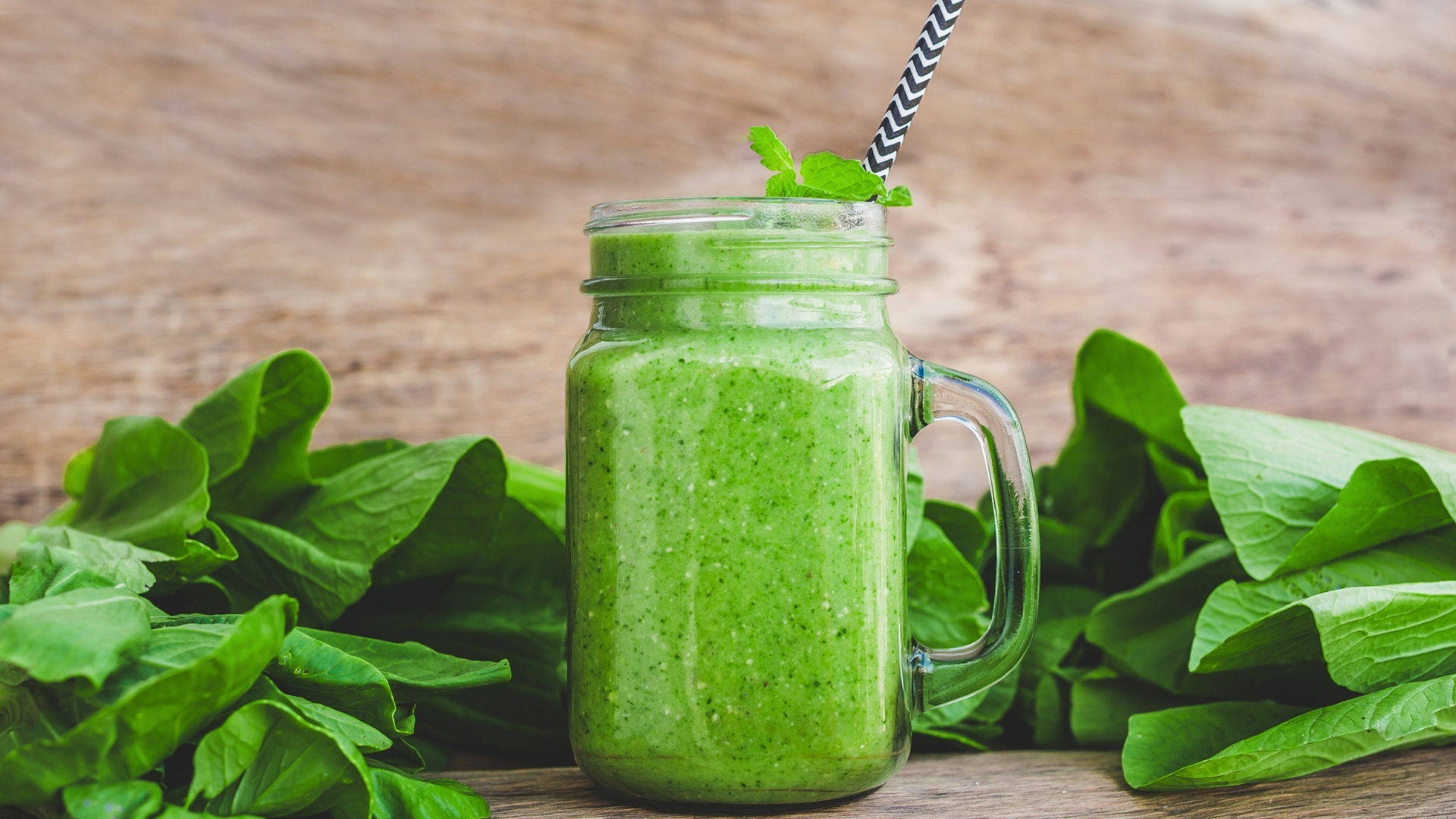
Broccoli, carrots, green peas, Brussels sprouts, spinach and other vegetables can contribute meaningful amounts of fibre.
A simple strategy is to increase the variety of vegetables you eat rather than focusing on one “superfood.”
9. Whole Grains
Whole-grain options such as oats, barley, brown rice and whole-wheat products can help replace some refined grains in the diet.
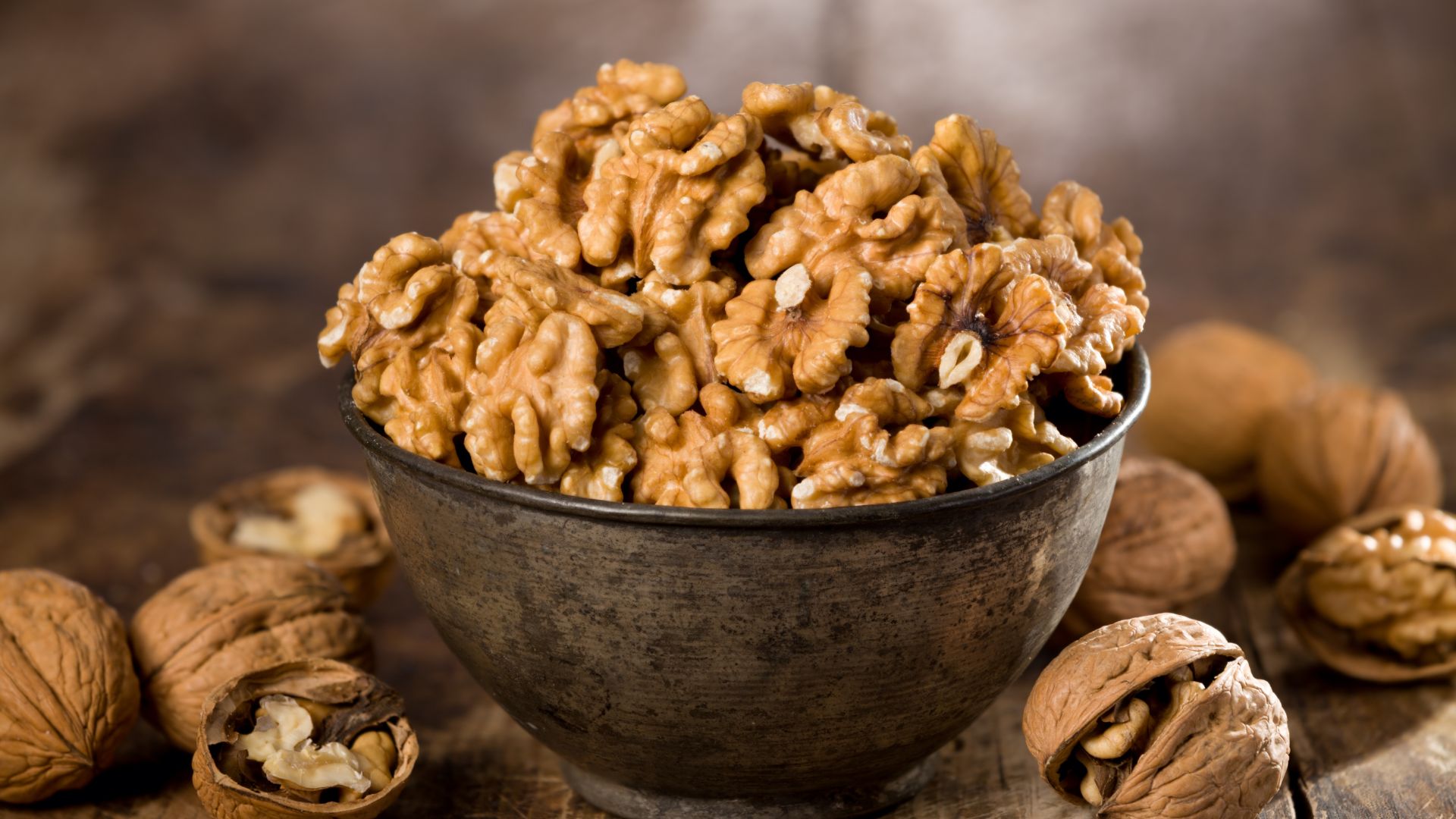
10. Nuts and Seeds
Almonds, walnuts, pumpkin seeds and other nuts and seeds can provide fibre along with other nutrients.
A small handful can make a convenient snack or topping.
How to Start Fibremaxxing Safely
If your current diet is relatively low in fibre, don't suddenly double your intake.
Your digestive system may need time to adjust.
Step 1: Start With Whole Foods
Begin by adding naturally high-fiber foods rather than immediately turning to fibre supplements.
For example, add:
- Fruit to breakfast
- Vegetables to lunch and dinner
- Beans or lentils to one meal
- Oats or whole grains
- Nuts or seeds as a snack
Step 2: Increase Fibre Gradually
A sudden increase in fibre can lead to gas, bloating and abdominal discomfort.
One healthcare recommendation suggests gradually increasing intake rather than making a large change overnight.
If you notice significant digestive discomfort, slow down the increase rather than forcing yourself to reach a particular target.
Step 3: Drink Enough Fluids
Fibre and hydration work together.
When increasing fibre, make sure you are drinking enough fluids for your individual needs. Increasing fibre substantially while consuming too little fluid can contribute to constipation and digestive discomfort.
Step 4: Eat Different Types of Fibre-Rich Foods
Don't rely on one food every day.
Instead of eating enormous amounts of one high-fiber ingredient, rotate between:
Fruits + vegetables + legumes + whole grains + nuts + seeds.
Variety is one of the simplest ways to build a more balanced fibre-rich diet.
Step 5: Listen to Your Body
If you experience persistent bloating, cramping, diarrhea, constipation or other digestive symptoms after increasing fibre, reduce the pace of the change.
People with digestive conditions such as irritable bowel syndrome may need individualized dietary guidance.
Simple One-Day Fibre-Rich Meal Plan
Here's an easy example of how you could add more fibre through regular foods.
Breakfast
Oatmeal + berries + ground flaxseed + walnuts
Mid-Morning Snack
Apple + a small handful of almonds
Lunch
Lentil or chickpea salad + mixed vegetables + whole-grain bread
Evening Snack
Plain yogurt with berries and chia seeds
Dinner
Brown rice or another whole grain + mixed vegetables + beans or lentils
Drinks
Water throughout the day according to your individual hydration needs.
This is only an example, not a prescribed diet. Portion sizes and nutritional needs vary from person to person.
Is Fibremaxxing the Same as Taking Fibre Supplements?
No.
The fibremaxxing trend often features foods such as chia seeds, flaxseed and psyllium, but a healthy diet does not have to depend on supplements.
Whole foods provide fibre together with other nutrients and plant compounds.
Fibre supplements may have a role in specific situations, but they should not automatically replace a varied diet. Some people may also experience digestive side effects when suddenly adding concentrated fibre products.
If you are considering a fibre supplement because of ongoing constipation or another digestive issue, speaking with a healthcare professional can help determine whether it is appropriate.
Can You Eat Too Much Fibre?
Yes, especially if you increase your intake very quickly.
Some social-media versions of fibremaxxing promote extremely high fibre intake. However, there is no need to chase an extreme fibre number simply because it is trending online.
Large or rapid increases can cause:
- Gas
- Bloating
- Abdominal discomfort
- Constipation
- Changes in bowel habits
The better strategy is to increase fibre gradually and focus on variety.
Who Should Be More Careful With Fibremaxxing?
Most healthy people can benefit from eating an appropriate amount of fibre.
However, people with certain digestive conditions may need individualized advice. For example, people with irritable bowel syndrome or recurring abdominal symptoms may react differently to specific types of fibre or fermentable carbohydrates.
If you have a diagnosed digestive condition, persistent abdominal pain, unexplained changes in bowel habits or other concerning symptoms, talk with a qualified healthcare professional before making a major dietary change.
Fibremaxxing: The Healthy Way to Follow the Trend
Fibremaxxing can be a useful reminder to pay more attention to an important part of nutrition.
But the healthiest interpretation of the trend isn't “eat as much fibre as possible.”
Instead, think:
More variety. More whole plant foods. Gradual changes. Adequate hydration.
Adding oats to breakfast, choosing whole grains, eating more vegetables, adding beans or lentils to meals and enjoying fruit and nuts as snacks can all help increase dietary fibre naturally.
You don't need to follow an extreme social-media challenge to benefit from fibre.
Final Takeaway
Fibremaxxing is a 2026 nutrition trend focused on increasing dietary fibre, but fibre itself is much more than a social-media trend.
Fibre-rich foods such as fruits, vegetables, beans, lentils, oats, whole grains, nuts and seeds can be valuable parts of a balanced diet and can support digestive health, fullness and overall nutrition.
The key is to increase fibre gradually rather than suddenly consuming very large amounts. Drink enough fluids, choose a variety of foods and pay attention to how your body responds.
Ultimately, the goal isn't to “max out” your fibre intake.
It's to build a balanced, sustainable and fibre-rich eating pattern that supports your overall health.
Medical Disclaimer
This article is intended for general educational and informational purposes only. It is not a substitute for professional medical or nutritional advice, diagnosis or treatment. If you have a medical or digestive condition, take medications, or are considering a significant dietary change, consult an appropriately qualified healthcare professional.

References
- Fibremaxxing: What It Is, Benefits and How It Works (+ 9 FAQs)
- Have you heard of “Fibremaxxing”? – A Patient’s Guide to Optimising Fibre Consumption
- Fibremaxxing explained: the real benefits, the side effects, and how to do it safely
- Fibremaxxing: A Simple Way to Increase Fibre Intake?
- What is Fibermaxxing? Everything You Need to Know about Your Daily Fiber Intake