Creating a plastic-free home doesn’t mean throwing away everything made of plastic overnight. For beginners, the most effective approach is to make simple, practical changes that reduce single-use plastic and gradually replace everyday plastic items with reusable, durable alternatives.
Whether you want to live more sustainably, reduce household waste, or create a healthier and more eco-friendly home, a few small changes can make a meaningful difference.
Table of Contents
What Is a Plastic-Free Home?
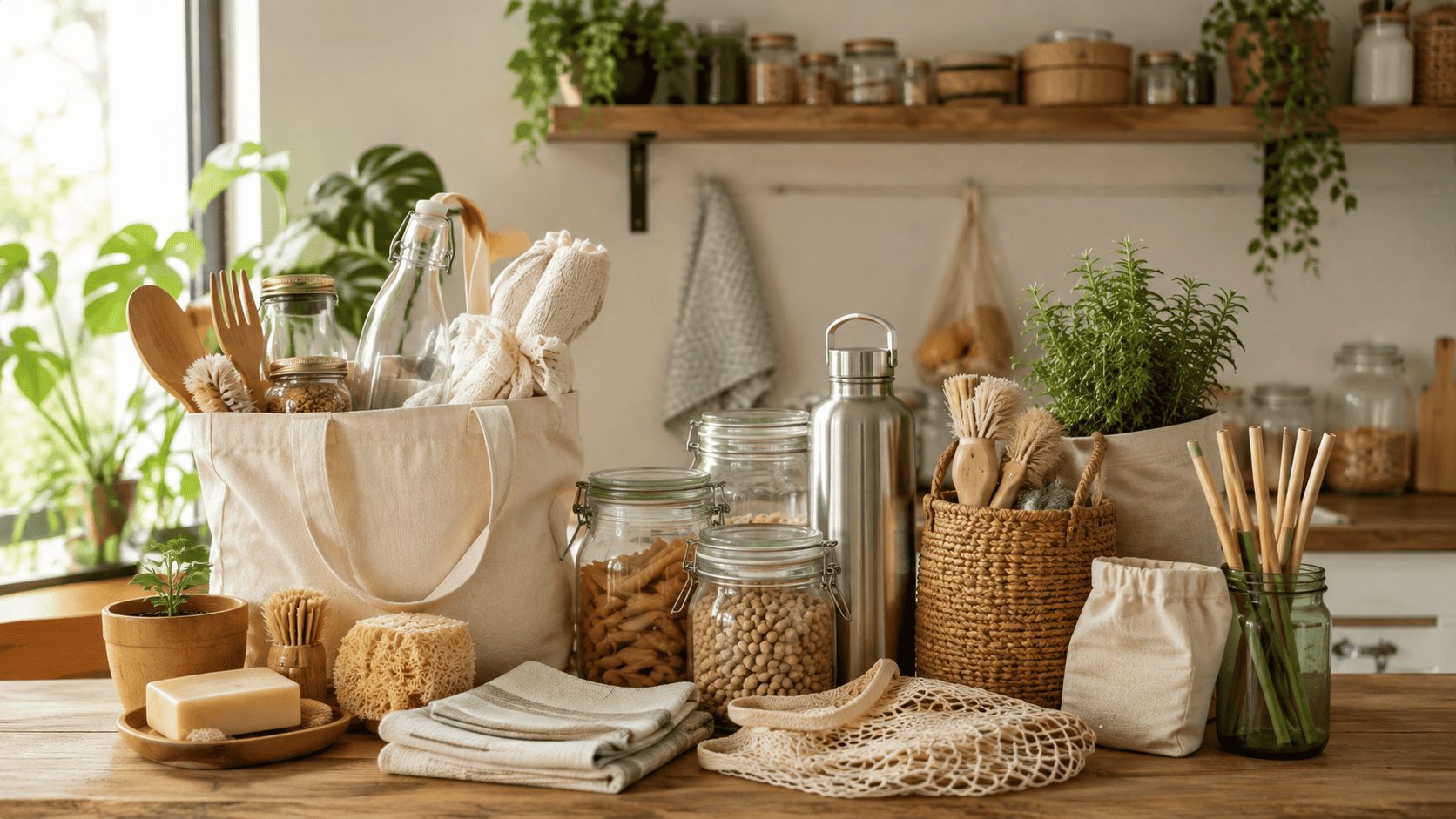
A plastic-free home is a household that actively minimizes or eliminates the use of plastic products, particularly single-use plastics. Instead of relying on disposable packaging, containers, bags, and household items, you can choose alternatives made from materials such as glass, stainless steel, wood, bamboo, cotton, and ceramic.
Going completely plastic-free can be challenging, so it is better to focus on reducing unnecessary plastic first.
Why Create a Plastic-Free Home?
Reducing plastic at home can offer several benefits:
- Less household waste: Reusable products can replace many disposable items.
- Lower plastic consumption: Small daily changes can reduce your reliance on plastic.
- More reusable products: Durable materials such as glass and stainless steel can often be used for years.
- A more sustainable lifestyle: Reducing unnecessary consumption can support environmentally conscious living.
- Better shopping habits: Choosing products with minimal packaging encourages more thoughtful purchasing.
Most importantly, the goal isn't perfection. Consistent, small improvements are more realistic and sustainable than trying to change everything at once.
1. Start by Identifying Plastic in Your Home
Before buying replacements, look around your home and identify where you use the most plastic.
For example, check these common areas:
- Kitchen
- Bathroom
- Laundry room
- Cleaning supplies
- Grocery storage
- Personal-care products
- Food packaging
Next, make a simple list of disposable and frequently replaced plastic products. This will help you decide which changes could have the biggest impact.
For instance, if your kitchen uses many disposable plastic bags, cling film, and bottled water, those products may be good places to begin.
2. Replace Single-Use Plastic Bags
One of the easiest ways to start creating a plastic-free home is to reduce disposable shopping bags.
Instead, keep reusable cotton, jute, canvas, or other durable shopping bags near your door or in your vehicle. Having them readily available makes it easier to remember them when shopping.
Additionally, reusable produce bags can replace disposable plastic bags for fruits and vegetables.
3. Choose Reusable Food Storage
Food storage is another area where plastic is commonly used.
Rather than relying on disposable plastic containers or wraps, consider:
- Glass food containers
- Stainless-steel containers
- Ceramic storage dishes
- Reusable cloth food bags
- Beeswax or plant-based food wraps where appropriate
Glass containers are particularly useful because they can be used for storing leftovers, preparing meals, and keeping pantry ingredients organized.
You also don't need to replace everything immediately. Instead, continue using existing products until they need replacing, then choose plastic-free alternatives when you buy new ones.
4. Reduce Plastic in the Kitchen
The kitchen is often one of the best places to make practical plastic-reduction changes.
For example, consider these simple swaps:
| Instead of | Try |
|---|---|
| Disposable plastic bags | Reusable fabric bags |
| Plastic food containers | Glass or stainless steel |
| Plastic wrap | Reusable food covers |
| Plastic bottles | Glass or stainless-steel bottles |
| Disposable plastic utensils | Wooden or metal utensils |
| Plastic scrubbers | Natural-fiber or reusable scrubbers |
In addition, buy foods with less packaging whenever practical. Choosing loose fruits, vegetables, grains, or other products in bulk can help reduce unnecessary packaging.
5. Switch to a Reusable Water Bottle
If you regularly buy bottled water, switching to a reusable bottle is a simple step.
Choose a durable stainless-steel or glass water bottle that fits your lifestyle. Then, keep it with you when going to work, school, shopping, or traveling.
As a result, carrying your own water can make it easier to avoid purchasing disposable bottles.
6. Make Your Bathroom More Plastic-Free
Bathrooms contain many products packaged in or made from plastic, including shampoo bottles, toothbrushes, razors, and personal-care packaging.
Instead of replacing everything at once, consider gradual alternatives such as:
- Bamboo or other lower-plastic toothbrush options
- Bar soap instead of liquid soap in plastic bottles
- Shampoo or conditioner bars
- Reusable cotton towels
- Safety razors designed for long-term use
- Products sold in refillable or low-packaging containers
However, don't replace products that are still useful simply to make your home look plastic-free. Using what you already own and replacing items at the end of their useful life is often a more practical approach.
7. Reduce Plastic in Cleaning Products
Household cleaning products can create a surprising amount of plastic waste.
Instead of repeatedly buying new plastic spray bottles, consider refillable cleaning bottles and concentrated cleaning products where suitable.
Likewise, washable cloths can replace many disposable cleaning wipes. For everyday cleaning, reusable microfiber or cotton cloths can reduce the need for disposable products. Always choose cleaning methods and products appropriate for the surface being cleaned.
8. Choose Plastic-Free Laundry Habits
Laundry is another area where small changes can reduce plastic consumption.
For example, look for detergents available in cardboard packaging, refill systems, or other lower-packaging formats. Reusable laundry accessories can also replace disposable alternatives.
If you wash synthetic clothing, consider ways to reduce microfiber release, such as using an appropriate laundry filter or washing bag designed for microfiber capture.
9. Shop With Plastic Reduction in Mind
Creating a plastic-free home starts with what you bring into your home.
Before buying something, ask yourself:
- Do I really need it?
- Can I buy it without plastic packaging?
- Is there a reusable alternative?
- Can I purchase it in a refillable or bulk format?
- Can I choose a durable product that will last longer?
These simple questions can gradually turn plastic reduction into a regular shopping habit. Furthermore, focusing on what you actually need can prevent unnecessary purchases.
10. Buy Less Instead of Replacing Everything
One common mistake beginners make is purchasing many “eco-friendly” replacements at once.
Unfortunately, this can create unnecessary consumption and may even produce more waste.
A better strategy is to follow the use, reuse, replace approach:
Use: Continue using plastic products you already own.
Reuse: Find ways to extend the life of useful items.
Replace: When something wears out, choose a durable alternative with less plastic.
This approach makes a plastic-free lifestyle more affordable and realistic. More importantly, it keeps the focus on reducing consumption rather than simply buying different products.
A Simple Plastic-Free Home Checklist
If you're not sure where to start, use this beginner checklist:
- Carry reusable shopping bags.
- Use a reusable water bottle.
- Replace disposable food-storage products gradually.
- Choose glass or stainless-steel containers when buying replacements.
- Reduce individually packaged foods.
- Try plastic-free or refillable bathroom products.
- Use reusable cleaning cloths.
- Look for low-packaging laundry products.
- Buy durable products instead of disposable ones.
- Avoid unnecessary purchases.
- Reuse items before replacing them.
How to Become Plastic-Free Step by Step
You don't have to transform your entire home in one weekend. Instead, focus on one area at a time.
Week 1: Shopping
Start using reusable shopping and produce bags.
Week 2: Kitchen
Reduce disposable food-storage products and choose reusable containers.
Week 3: Bathroom
Replace frequently purchased plastic-packaged products with suitable alternatives.
Week 4: Cleaning and laundry
Look for refillable, reusable, or lower-packaging options.
After a month, review what worked for your household. Then, continue making improvements based on your habits, budget, and needs.
Common Mistakes to Avoid
Trying to Be Perfect
A plastic-free lifestyle is a process. Therefore, don't feel discouraged if you occasionally use plastic.
Throwing Away Usable Products
Replacing everything immediately can create unnecessary waste. Instead, use existing products for as long as they remain useful.
Buying Too Many “Eco” Products
Sustainable living is not about buying more products. In many cases, the most sustainable choice is to use what you already have.
Ignoring Convenience
If an alternative is difficult to use, you may stop using it. For that reason, choose practical reusable products that fit naturally into your routine.
Creating a plastic-free home is less about achieving perfection and more about making better everyday choices. Start with the plastic products you use most often, replace disposable items with durable alternatives, and gradually change your shopping habits.
For beginners, simple steps such as carrying reusable bags, using glass or stainless-steel containers, reducing plastic packaging, and choosing refillable products can make plastic reduction much easier.
Above all, start small and stay consistent. Rather than trying to eliminate every piece of plastic from your life, focus on reducing unnecessary plastic and making practical choices that you can maintain for years.

References