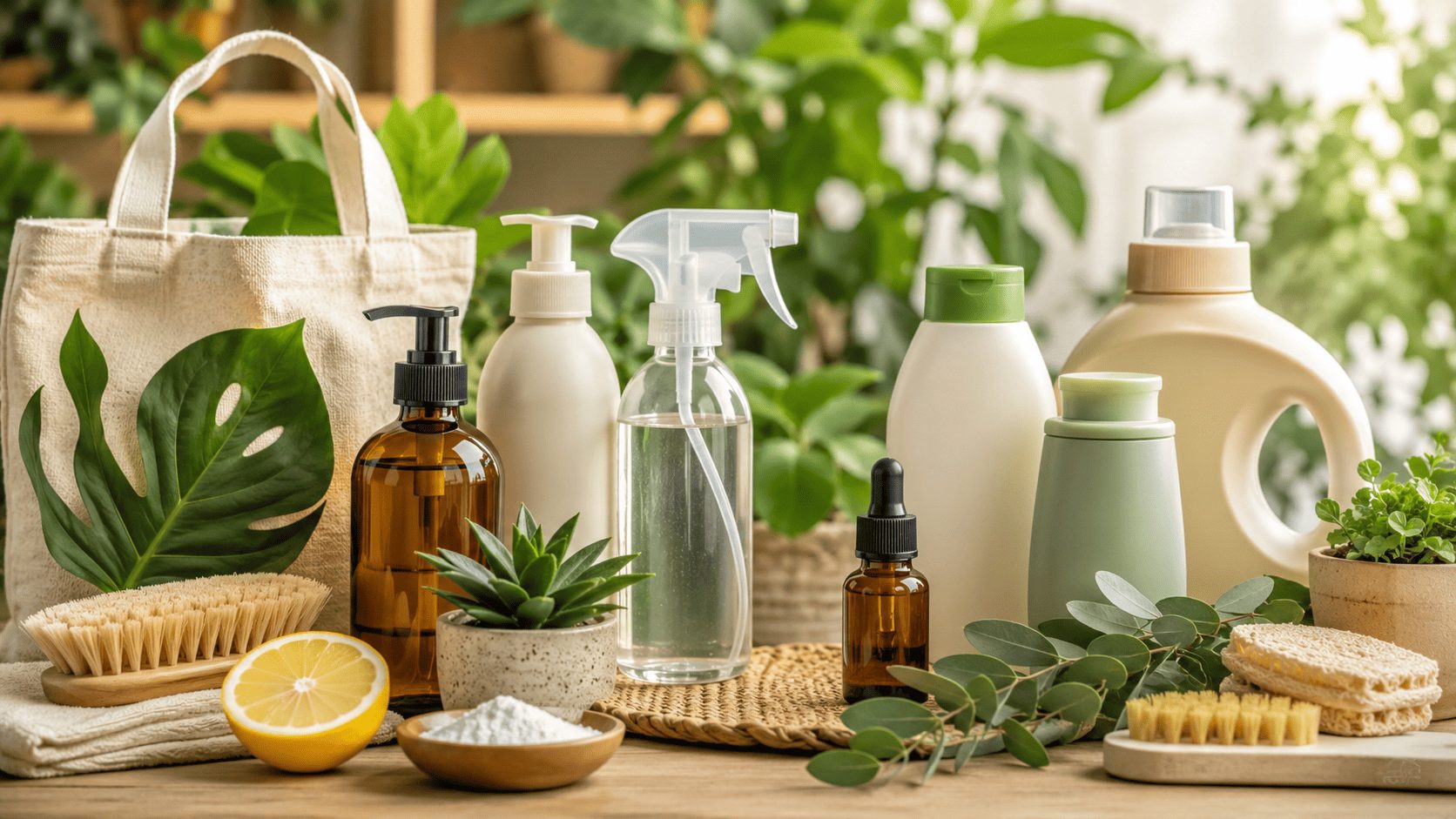
In recent years, toxin-free products have become more than just a wellness trend. Consumers are increasingly paying attention to the ingredients in everyday items — from skincare and cosmetics to cleaning supplies and food containers. The shift toward healthier lifestyles and sustainable choices has made toxin-free products a growing priority for families, businesses, and health-conscious individuals alike.
This guide explains what toxin-free products are, why they matter, and how to choose the best options for your home and lifestyle.
Table of Contents
What Are Toxin-Free Products?
Toxin-free products are items made without harmful chemicals, synthetic additives, or ingredients known to negatively impact human health or the environment. These products are typically designed to reduce exposure to potentially dangerous substances such as:
- Parabens
- Phthalates
- Sulfates
- Formaldehyde
- Artificial fragrances
- BPA (Bisphenol A)
- Heavy metals
- Harsh pesticides
Toxin-free alternatives are commonly found in categories like:
- Personal care products
- Household cleaners
- Baby products
- Kitchenware
- Clothing and textiles
- Food storage containers
The goal is to create safer everyday products that support long-term health and environmental sustainability.
Why Toxin-Free Products Matter
1. Better for Your Health
Many conventional products contain chemicals that may cause skin irritation, allergies, respiratory issues, or hormonal disruption. Repeated exposure over time can increase health risks.
Using toxin-free products helps minimize contact with unnecessary chemicals, especially for children, pregnant women, and people with sensitive skin.
2. Safer Indoor Air Quality
Household cleaners, air fresheners, and scented candles often release volatile organic compounds (VOCs) into the air. Toxin-free alternatives typically avoid these harmful emissions, helping improve indoor air quality.
3. Eco-Friendly Living
Most toxin-free brands prioritize environmentally responsible ingredients and sustainable packaging. Biodegradable formulas and recyclable materials reduce environmental pollution and support greener living.
4. Gentle on Sensitive Skin
Natural and non-toxic ingredients are often less irritating than synthetic chemicals. This makes toxin-free skincare, soaps, and detergents ideal for people with eczema, allergies, or sensitive skin conditions.
Popular Categories of Toxin-Free Products
Toxin-Free Skincare
Skincare products are absorbed directly into the skin, making ingredient safety especially important. Look for products free from parabens, sulfates, artificial fragrances, and mineral oils.
Common toxin-free skincare products include:
- Facial cleansers
- Moisturizers
- Sunscreens
- Lip balms
- Body lotions
Ingredients like aloe vera, shea butter, coconut oil, and green tea extract are popular in clean beauty products.
Non-Toxic Cleaning Products
Traditional cleaning products can contain bleach, ammonia, and synthetic fragrances that may irritate the lungs and skin.
Safer alternatives often use:
- Vinegar
- Baking soda
- Plant-based surfactants
- Essential oils
- Citric acid
Toxin-free cleaning products are available for kitchens, bathrooms, laundry, and floor care.
Toxin-Free Baby Products
Babies are more vulnerable to chemical exposure due to their developing immune systems. Parents increasingly choose non-toxic baby products such as:
- BPA-free bottles
- Organic cotton clothing
- Chemical-free diapers
- Natural baby lotions
- Non-toxic toys
Choosing safer materials can reduce exposure to allergens and harsh chemicals during early development.
Toxin-Free Kitchen Products
Many people are replacing plastic and chemically coated cookware with safer alternatives.
Popular toxin-free kitchen items include:
- Stainless steel cookware
- Glass food containers
- Ceramic cookware
- Wooden utensils
- Silicone storage bags
Avoiding materials that may leach harmful chemicals into food is a key reason consumers make the switch.
How to Identify Truly Toxin-Free Products
Not every product labeled “natural” or “eco-friendly” is genuinely non-toxic. Here are some ways to make smarter buying decisions.
Read Ingredient Labels
Look for transparent ingredient lists and avoid products containing:
- Artificial dyes
- Synthetic fragrances
- PEG compounds
- Triclosan
- Oxybenzone
Shorter ingredient lists are often easier to evaluate.
Check Certifications
Reliable certifications can help verify product safety and sustainability. Common certifications include:
- USDA Organic
- EWG Verified
- MADE SAFE
- Leaping Bunny
- ECOCERT
These labels often indicate stricter manufacturing standards.
Research the Brand
Choose companies that prioritize transparency, sustainability, and ingredient safety. Many reputable brands openly share sourcing practices and testing standards.
Benefits of Switching to Toxin-Free Products
Making the transition to toxin-free living can offer several advantages:
- Reduced chemical exposure
- Healthier skin and hair
- Improved indoor air quality
- Lower environmental impact
- Safer homes for children and pets
- More sustainable purchasing habits
Even small changes — like switching to non-toxic cleaning sprays or BPA-free containers — can make a meaningful difference over time.
Common Myths About Toxin-Free Products
They Don’t Work as Well
Modern toxin-free products are highly effective. Many plant-based cleaners and natural skincare brands perform just as well as conventional options.
They Are Too Expensive
While some premium brands cost more, many affordable toxin-free options are now widely available. DIY solutions using simple ingredients can also save money.
“Natural” Always Means Safe
Not all natural ingredients are harmless. Always research ingredients and rely on trusted certifications instead of marketing claims alone.
Tips for Starting a Toxin-Free Lifestyle
Transitioning to cleaner products does not have to happen overnight. Start with the products you use most often.
Easy First Swaps
- Replace plastic water bottles with stainless steel
- Switch to fragrance-free laundry detergent
- Use natural dish soap
- Choose organic skincare products
- Avoid synthetic air fresheners
Small, gradual changes are easier to maintain and can significantly reduce daily toxin exposure.
The Future of Toxin-Free Products
Consumer demand for safer and more sustainable products continues to grow. Companies are investing in cleaner formulas, eco-friendly packaging, and transparent labeling practices.
As awareness increases, toxin-free living is becoming more accessible and mainstream across industries including beauty, food, fashion, and home care.
Toxin-free products are an important part of creating a healthier lifestyle and a safer environment. By choosing products made with cleaner ingredients and sustainable practices, consumers can reduce harmful chemical exposure while supporting eco-conscious brands.
Whether you are upgrading your skincare routine, improving indoor air quality, or creating a safer home for your family, switching to toxin-free products is a practical step toward better health and sustainability.
Making informed choices today can lead to a cleaner, healthier future for both people and the planet.

References