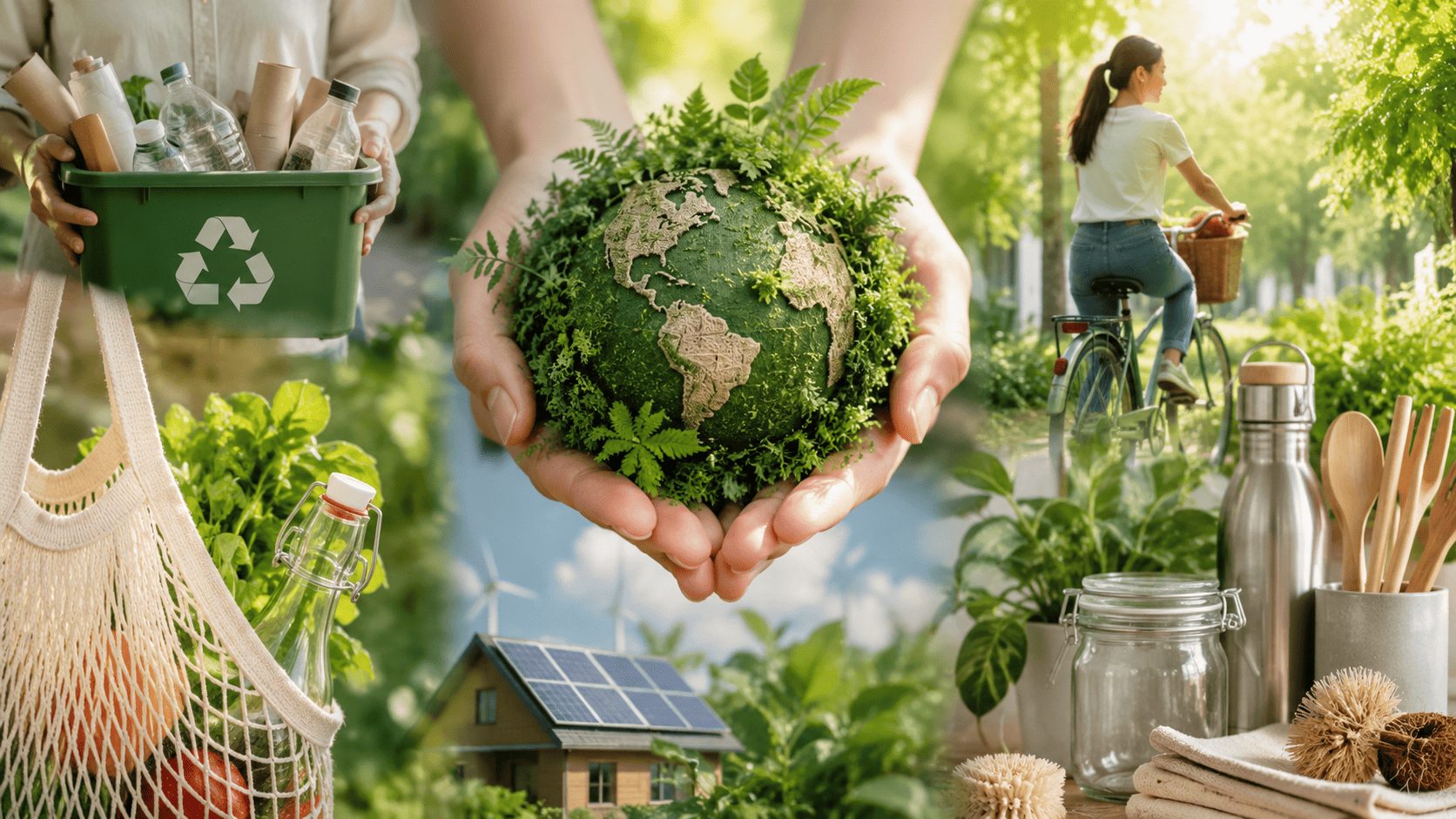
Sustainable everyday life is about making simple choices that protect the environment while improving the way we live. From reducing household waste to saving energy, choosing sustainable products, and using resources responsibly, small daily actions can create a meaningful long-term impact.
The good news is that sustainable living does not require completely changing your lifestyle. Instead, it is about becoming more conscious of everyday decisions and choosing options that are better for the planet whenever possible.
Table of Contents
What Is Sustainable Everyday Life?
Sustainable everyday life means living in a way that meets our current needs without unnecessarily harming the environment or reducing resources for future generations. It involves responsible choices related to energy, water, food, transportation, shopping, and waste.
A sustainable lifestyle can be simple. Turning off unused lights, carrying a reusable water bottle, avoiding unnecessary plastic, buying durable products, and reducing food waste are all practical examples.
Why Is Sustainable Living Important?
Modern lifestyles consume large amounts of natural resources and generate significant waste. Excessive energy consumption, single-use plastics, food waste, and pollution can contribute to climate change and environmental degradation.
Adopting sustainable habits can help:
- Reduce household waste
- Conserve water and energy
- Lower carbon emissions
- Protect natural resources
- Reduce pollution
- Encourage responsible consumption
- Create healthier and more efficient homes
When millions of people make small improvements to their daily habits, the combined effect can be substantial.
1. Reduce Energy Consumption
Energy conservation is one of the easiest ways to make everyday life more sustainable. Switch off lights, fans, appliances, and electronic devices when they are not needed.
Using energy-efficient LED bulbs and appliances can also reduce electricity consumption. Where practical, make use of natural light and ventilation instead of relying entirely on artificial lighting or air conditioning.
2. Save Water
Water is a valuable natural resource, so avoiding unnecessary water use is an important part of sustainable living.
Simple habits such as fixing leaking taps, turning off the tap while brushing your teeth, using water-efficient fixtures, and reusing suitable household water for plants can make a difference.
Rainwater harvesting is another useful approach, particularly in areas where water conservation is important.
3. Reduce, Reuse, and Recycle
The three Rs—Reduce, Reuse, and Recycle—are fundamental principles of sustainable living.
First, reduce unnecessary consumption. Before buying something, consider whether you really need it. Second, reuse items whenever possible instead of throwing them away. Finally, recycle materials according to your local recycling system.
Separating recyclable materials from general waste can make household waste management more effective.
4. Choose Sustainable Food
Food choices can also influence environmental sustainability. Eating more seasonal and locally available foods can sometimes reduce transportation and storage impacts.
Planning meals before shopping can help prevent food waste. Store food properly, use leftovers creatively, and avoid purchasing more than your household can reasonably consume.
A balanced diet that includes a variety of plant-based foods can also be part of a more sustainable lifestyle.
5. Use Eco-Friendly Transportation
Transportation is another area where everyday choices matter. Walking, cycling, public transportation, carpooling, and combining multiple errands into one trip can reduce fuel consumption and emissions.
For short distances, walking or cycling can provide both environmental and personal health benefits. When driving is necessary, maintaining the vehicle properly and adopting efficient driving habits can help reduce fuel consumption.
6. Shop More Responsibly
Sustainable shopping begins with buying less and buying thoughtfully. Instead of choosing products based only on price or appearance, consider durability, repairability, packaging, and how often you will use the product.
Reusable bags, refillable containers, durable clothing, and long-lasting household products can reduce unnecessary waste.
Second-hand shopping is another way to extend the useful life of products and reduce demand for new resources.
7. Reduce Single-Use Plastics
Single-use plastic products are often used for only a short time but can remain in the environment for many years.
Replacing disposable bags, bottles, cups, and containers with reusable alternatives can reduce plastic waste. However, the most sustainable choice is often to avoid purchasing something unnecessary in the first place.
8. Make Your Home More Sustainable
A sustainable home does not have to be expensive. Start with simple improvements such as reducing electricity and water consumption, improving ventilation, using energy-efficient lighting, and maintaining appliances properly.
Growing plants at home can also add greenery and, depending on the space available, support biodiversity. Composting suitable organic kitchen waste can further reduce the amount of waste sent to landfills.
9. Practice Sustainable Digital Habits
Sustainability is not limited to physical products. Digital services also require energy and infrastructure.
Keeping devices for longer, repairing them when practical, avoiding unnecessary upgrades, and properly recycling old electronics can reduce the environmental impact associated with electronic consumption.
10. Encourage Sustainable Habits in Your Community
Individual action is important, but sustainability becomes even more powerful when communities participate.
Share useful ideas with family and friends, participate in local clean-up activities, support responsible businesses, and encourage better waste management in your neighborhood. Schools, workplaces, and communities can also introduce initiatives that make sustainable choices easier for everyone.
Sustainable Living Does Not Mean Perfect Living
One of the biggest misconceptions about sustainability is that people must make perfect choices all the time. In reality, sustainable living is about progress rather than perfection.
You do not need to replace everything you own or completely change your lifestyle overnight. Start with one or two practical habits and gradually build from there.
For example, you could begin by carrying a reusable bottle, reducing food waste, saving electricity, or walking for short journeys. Once these habits become routine, you can introduce additional changes.
Sustainable everyday life is built from ordinary choices. Saving energy, conserving water, reducing waste, eating responsibly, using sustainable transportation, and shopping thoughtfully can all contribute to a healthier planet.
The key is to focus on realistic and consistent actions rather than trying to achieve perfection. Every sustainable choice has value, and when individuals, families, businesses, and communities work together, everyday habits can become part of a much larger positive change.
Start small, live consciously, and make sustainability a natural part of everyday life.

References